Selective Sovereignty: Analyzing Iran’s ‘Enemy-Only’ Transit Policy and Its Impact on Maritime Insurance
Iran’s insistence that the Strait of Hormuz remains open to neutral parties while closed to 'enemies' continues to drive insurance premiums to prohibitive levels.
Your ad here — 728×90 banner space
The Iranian government has reiterated its policy of 'selective sovereignty' over the Strait of Hormuz, a stance that continues to paralyze international shipping despite claims of a partial reopening. Foreign Minister Abbas Araqchi recently stated in a televised interview that the waterway is 'only closed for our enemies,' asserting that neutral vessels are free to transit. However, as reported by Argus Media, this distinction has done little to restore confidence in the maritime industry. The primary obstacle remains the definition of an 'enemy.' Under the current IRGC protocols, any vessel that has called at a U.S. or Israeli port, or is owned by entities with ties to those nations, is subject to seizure or kinetic attack. This ambiguity has forced maritime insurance premiums to astronomical levels. According to the Hormuz Strait Monitor, war-risk premiums for vessels attempting the Omani route have spiked to between 5% and 10% of the hull value, making most commercial transits economically unviable. The 'enemy-only' policy is a strategic calculation by Tehran to drive a wedge between Washington and its international partners. By allowing a trickle of 'approved' traffic—primarily vessels destined for China or those flying neutral flags—Iran seeks to demonstrate control while avoiding a total global embargo. Yet, the reality on the water is one of extreme risk. The Hill reports that the threat of drone and missile attacks remains the primary deterrent for tanker captains. Even with the new coordinates proposed in the Muscat talks, the lack of a third-party security guarantee means that most shipping lines will continue to favor the Cape of Good Hope route. For global supply chains, the 'selective' closure of the Strait is effectively a total closure for the Western-aligned world. This has led to a permanent shift in logistics, with Gulf producers spending billions on alternative pipelines to bypass the chokepoint entirely. As long as Tehran maintains its right to target 'enemy' shipping, the Strait of Hormuz will remain a high-risk zone, regardless of the technical agreements reached in Muscat.
Related Intel
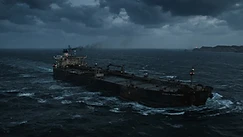
Strait Commodity Transits Plunge to Fresh Baselines Following Tit-for-Tat Tanker Strikes
Commercial traffic through the Strait of Hormuz has plummeted to an average of just 10 commodity vessels per day following mutual military attacks on commercial and state-linked tankers.
Strait Corridor Suppression Drags Commercial Transits Far Below Pre-War Baselines
Vessel transit figures through Hormuz remain deeply depressed, with tracking services recording single-digit crossings despite official claims of operational normalization.
Tehran Rejects Qatari Transit Initiatives as Regional Allied Navies Resist Unilateral Escort Commitments
Diplomatic sources confirm Iran has rebuffed Qatari mediation to ease Strait shipping controls, while key Asian allies push back on demands for independent naval deployments.