Iranian Supreme Leader Orders Direct Retaliation Against Israel Following Tehran Strike
Supreme Leader Ayatollah Ali Khamenei has reportedly ordered a direct strike against Israel following the assassination of Hamas leader Ismail Haniyeh in Tehran.

Your ad here — 728×90 banner space
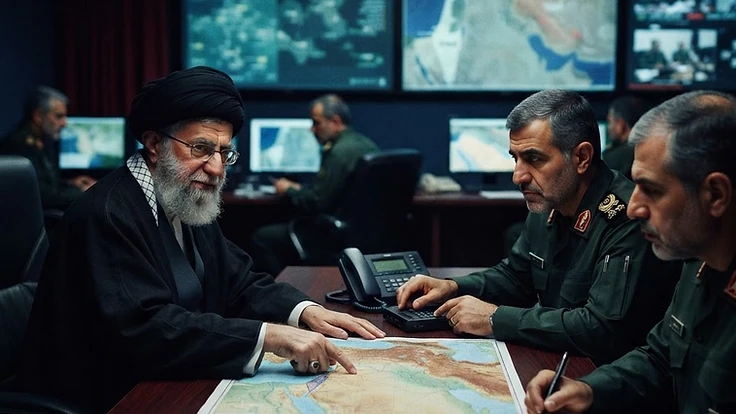
In a significant escalation of regional hostilities, Iranian Supreme Leader Ayatollah Ali Khamenei has issued an order for Iran to strike Israel directly, according to officials familiar with the matter. The directive was reportedly given during an emergency meeting of Iran’s Supreme National Security Council on Wednesday morning, shortly after the assassination of Hamas political chief Ismail Haniyeh in the Iranian capital. Haniyeh was in Tehran to attend the inauguration of President Masoud Pezeshkian when a guided projectile struck the guesthouse where he was staying at approximately 2:00 AM local time. While Israel has not officially claimed responsibility for the operation, both Iran and Hamas have attributed the strike to the Israeli Defense Forces (IDF). The incident represents a catastrophic failure of Iranian internal security, as the target was under the protection of the Islamic Revolutionary Guard Corps (IRGC). The assassination occurred just hours after an Israeli airstrike in Beirut targeted and killed Fuad Shukr, a top military commander for Hezbollah. The dual strikes have pushed the Middle East to the brink of a multi-front regional war, undermining months of diplomatic efforts to secure a ceasefire in Gaza. Iranian officials are currently weighing various response scenarios, including a coordinated attack involving the 'Axis of Resistance'—a network of allied militias in Lebanon, Yemen, Iraq, and Syria. The international community has called for restraint, with the UN Security Council convening an emergency session to discuss the developments. U.S. Secretary of State Antony Blinken stated that the United States was not aware of nor involved in the assassination, emphasizing the urgent need for a ceasefire to prevent further destabilization. However, the IRGC has publicly stated that 'revenge is certain,' and Tehran has already briefed regional allies on the necessity of a decisive response to restore deterrence. Security analysts suggest that any Iranian retaliation may mirror or exceed the scale of the April 13 missile and drone barrage, potentially targeting Israeli infrastructure near Tel Aviv or Haifa. The situation remains fluid as military assets across the region are placed on high alert.
Related Intel

Tehran Outlines Formal Exclusion Zone Around Hormuz to Counter US Blockade
Iranian security officials have announced imminent plans to implement an operational maritime exclusion zone stretching from the U.S. naval blockade perimeter directly across the Strait of Hormuz.

US Neutralizes IRGC Tankers off Kharg Island as Diplomatic Narrative Fractures
U.S. Central Command disabled three Iranian crude carriers over the weekend following IRGC missile launches against American warships, escalating the maritime conflict into its seventh month.

CENTCOM Destroys Iranian Tankers and Coastal Launch Sites as Tehran Claims Drone Intercepts
U.S. Central Command struck three Iranian oil tankers and pre-positioned coastal minelaying missile platforms, while Tehran claimed to strike an unmanned American naval vessel in contested Hormuz waters.