Houthi Missile Strike on MV Groton Signals Renewed Escalation in Gulf of Aden
A Liberian-flagged container ship was targeted by a Houthi missile in the Gulf of Aden, marking the first successful strike in weeks as the group ramps up activity.

Your ad here — 728×90 banner space
Kinetic Activity in the Maritime Domain
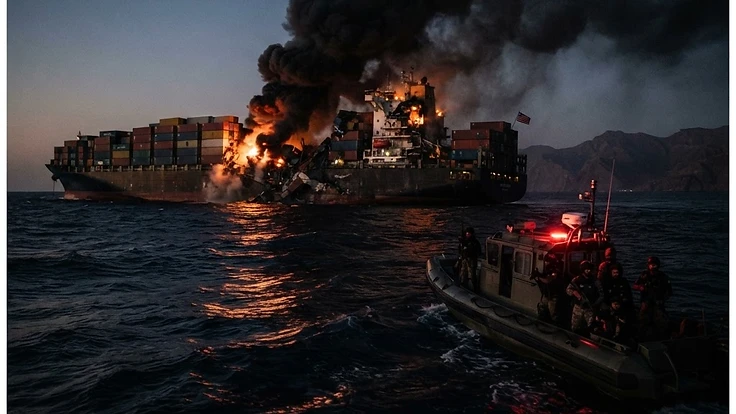
The United Kingdom Maritime Trade Operations (UKMTO) and private intelligence firms confirmed that the MV Groton, a container ship, was struck by a projectile approximately 125 nautical miles east of Aden. The vessel reported an explosion in close proximity followed by a direct hit, which resulted in a fire on deck. Fortunately, no casualties were reported among the crew, and the vessel was able to continue its transit to the next port of call. This attack ends a period of relative calm in the Gulf of Aden and underscores the Houthi movement's commitment to its campaign against international shipping.
Strategic Context of the Attack
The strike on the MV Groton is significant because it coincides with the broader regional mobilization following the assassinations of high-ranking leaders in Beirut and Tehran. Houthi spokesperson Yahya Saree claimed responsibility, stating the vessel was targeted for violating the group's 'ban' on ships visiting Israeli ports. However, maritime databases indicate the Groton had no recent history of calling at Israeli terminals, suggesting the Houthis may be expanding their targeting criteria to maintain pressure on the US-led coalition, Operation Prosperity Guardian.
Operational Impact on Hormuz and Bab el-Mandeb
While the Strait of Hormuz has not seen a direct kinetic attack in the last 24 hours, the escalation in the Gulf of Aden serves as a proxy for the capabilities and intentions of the Iranian-aligned 'Axis of Resistance.' The use of anti-ship ballistic missiles (ASBMs) and one-way attack drones continues to challenge Western naval superiority. The US Central Command (CENTCOM) reported destroying a Houthi drone and an uncrewed surface vessel (USV) in the Red Sea shortly after the attack on the Groton. These defensive actions are becoming increasingly resource-intensive, leading to concerns about the long-term sustainability of the current naval posture.
Shipping Rate Adjustments
Following the strike, war risk insurance premiums for vessels transiting the Bab el-Mandeb and the Gulf of Aden are expected to rise once more. Many shipping lines that had begun to cautiously reintegrate these routes into their schedules may now revert to the longer and more expensive journey around the Cape of Good Hope. This logistical shift adds to the inflationary pressures on global goods and reinforces the strategic importance of protecting the maritime chokepoints that connect the Indian Ocean to the Mediterranean.
Related Intel

Tehran Outlines Formal Exclusion Zone Around Hormuz to Counter US Blockade
Iranian security officials have announced imminent plans to implement an operational maritime exclusion zone stretching from the U.S. naval blockade perimeter directly across the Strait of Hormuz.

US Neutralizes IRGC Tankers off Kharg Island as Diplomatic Narrative Fractures
U.S. Central Command disabled three Iranian crude carriers over the weekend following IRGC missile launches against American warships, escalating the maritime conflict into its seventh month.

CENTCOM Destroys Iranian Tankers and Coastal Launch Sites as Tehran Claims Drone Intercepts
U.S. Central Command struck three Iranian oil tankers and pre-positioned coastal minelaying missile platforms, while Tehran claimed to strike an unmanned American naval vessel in contested Hormuz waters.