Houthi Maritime Campaign Shifts Tactics as Regional Risk Zones Expand
New intelligence suggests Houthi-led maritime threats are moving beyond traditional corridors, complicating security for vessels avoiding the Strait of Hormuz.
Your ad here — 728×90 banner space
As the international community focuses on the diplomatic dance in the Strait of Hormuz, a secondary maritime crisis is evolving in the broader Middle East. Maritime security firm Windward has issued a new assessment suggesting that the Houthi campaign against commercial shipping is expanding beyond its traditional risk zones. SeaNews. This expansion poses a significant threat to vessels that have been rerouted to avoid the Hormuz blockade, effectively creating a 'pincer movement' of maritime risk across the Arabian Peninsula. The latest data indicates that threats are no longer expanding in a linear fashion but are becoming increasingly unpredictable. This shift in tactics follows the reported use of Iranian-supplied cruise missiles against tankers in Omani waters, an escalation that resulted in the death of an Indian crew member and injuries to eight others in July. Modern Diplomacy. For shipping companies, this means that physical security measures onboard must be supplemented by 'intelligence-led decision making.' The cost of maritime insurance has remained at 'Severe' levels despite the drop in crude prices, as insurers weigh the possibility of sporadic violations of any ceasefire. S&P Global. The US Navy continues to maintain a presence in the region, but the expansion of the Houthi reach into the Indian Ocean and deeper into the Red Sea has stretched coalition resources. Shipping giants are being advised to maintain 'dark mode' capabilities and to utilize private security details even if a formal Hormuz deal is announced, as non-state actors may not immediately adhere to a Washington-Tehran accord.
Related Intel
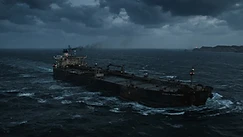
Strait Commodity Transits Plunge to Fresh Baselines Following Tit-for-Tat Tanker Strikes
Commercial traffic through the Strait of Hormuz has plummeted to an average of just 10 commodity vessels per day following mutual military attacks on commercial and state-linked tankers.
Strait Corridor Suppression Drags Commercial Transits Far Below Pre-War Baselines
Vessel transit figures through Hormuz remain deeply depressed, with tracking services recording single-digit crossings despite official claims of operational normalization.
Tehran Rejects Qatari Transit Initiatives as Regional Allied Navies Resist Unilateral Escort Commitments
Diplomatic sources confirm Iran has rebuffed Qatari mediation to ease Strait shipping controls, while key Asian allies push back on demands for independent naval deployments.