Hormuz Transit Remains Stalled as Tehran Rejects U.S. Demands
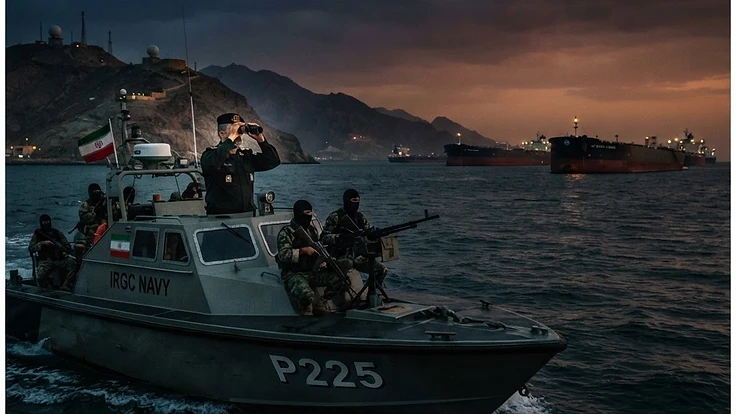
The commander of the IRGC Navy has confirmed the Strait of Hormuz remains closed, effectively ending recent optimism regarding a diplomatic breakthrough.

Your ad here — 728×90 banner space
The commander of the Islamic Revolution Guards Corps (IRGC) Navy has officially stated that the Strait of Hormuz remains closed to commercial traffic, directly contradicting recent reports of an imminent deal between Tehran and Washington. This declaration marks a significant setback for international shipping and energy markets, which had been pricing in a potential reopening of the vital waterway following weeks of indirect negotiations mediated by Oman. The IRGC leadership emphasized that the waterway will not be reopened until the United States meets specific, undisclosed commitments, signaling that Tehran is prepared to maintain its current posture of maritime denial. This stance comes on the heels of President Donald Trump’s recent rhetoric, in which he asserted that the U.S. maintains total control over the strait and has successfully swept the area for Iranian mines. The divergence between the two sides remains stark, with the U.S. demanding compensation for historical grievances and damages, while Iran continues to leverage its geographic position to exert pressure. Shipping data confirms that commercial transits remain at historic lows, with major carriers continuing to avoid the region due to the high risk of kinetic engagement. The collapse of these latest diplomatic efforts has reignited fears of a prolonged conflict, as both nations appear locked in a cycle of competing claims and military posturing. Analysts suggest that the current impasse is likely to persist as long as both Washington and Tehran believe they can sustain the economic and military costs of the ongoing blockade.
Related Intel
Tehran Outlines Formal Exclusion Zone Around Hormuz to Counter US Blockade
Iranian security officials have announced imminent plans to implement an operational maritime exclusion zone stretching from the U.S. naval blockade perimeter directly across the Strait of Hormuz.
US Neutralizes IRGC Tankers off Kharg Island as Diplomatic Narrative Fractures
U.S. Central Command disabled three Iranian crude carriers over the weekend following IRGC missile launches against American warships, escalating the maritime conflict into its seventh month.
CENTCOM Destroys Iranian Tankers and Coastal Launch Sites as Tehran Claims Drone Intercepts
U.S. Central Command struck three Iranian oil tankers and pre-positioned coastal minelaying missile platforms, while Tehran claimed to strike an unmanned American naval vessel in contested Hormuz waters.