Hormuz Transit Plummets to Record Lows as Maritime Insurance Premiums Skyrocket
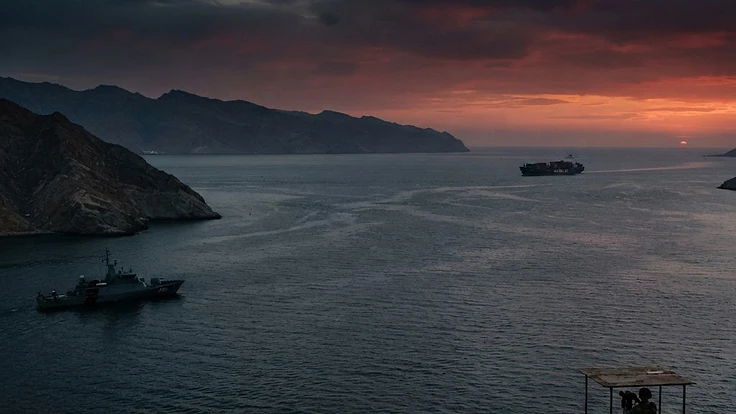
Shipping volume through the Strait of Hormuz has collapsed to just five vessels in the last 24 hours as war-risk premiums make transit economically unviable for most commercial operators.

Your ad here — 728×90 banner space
The maritime corridor through the Strait of Hormuz has reached a state of near-total paralysis, with shipping data from the last 24 hours revealing a historic collapse in vessel traffic. According to reports from Kpler and Lloyd's List Intelligence, only five ships transited the strategic waterway between Saturday and Sunday, a staggering decline from the pre-war average of approximately 140 daily passages. Among the few vessels that successfully navigated the strait was a single Iranian oil products tanker, while the U.S.-supported Omani shipping lane remained largely inactive due to persistent security threats. This downturn follows a weekend where zero commodity vessels were registered for transit on Sunday, highlighting the extreme caution now exercised by global shipping firms. The maritime intelligence firm Windward noted that commercial traffic is now largely confined to a narrow, Iran-approved northern corridor, effectively ceding operational control of the waterway's flow to Tehran's tactical preferences. Major carriers, including Hapag-Lloyd AG, have largely suspended operations in the area as war-risk insurance premiums reach levels that threaten the economic viability of individual voyages. The current blockade, which has been in various states of intensity since late February 2026, has now entered a phase of maximum disruption. U.S. Central Command (CENTCOM) officials have stated that while they continue to monitor the lanes, the presence of Iranian coastal batteries and the threat of maritime mines have created a 'no-go zone' for most non-escorted commercial hulls. The impact on global supply chains is profound, as the Strait typically facilitates the transportation of about one-fifth of the world's oil supply. Analysts at Kpler suggest that military developments are now shaping operational decisions more than any lingering diplomatic progress, as shipowners prioritize hull safety over the increasingly slim margins provided by high-risk transit. The situation is further complicated by the U.S. blockade of Iranian ports, which has prompted Tehran to retaliate by seizing container ships and targeting tankers attempting to transit under U.S. military escort. As of Monday morning, dozens of tankers remain anchored off Port Sultan Qaboos in Oman, awaiting security clearances or rerouting instructions that would take them around the Cape of Good Hope, adding weeks to delivery schedules and significantly increasing global freight costs.
Related Intel

Tehran Outlines Formal Exclusion Zone Around Hormuz to Counter US Blockade
Iranian security officials have announced imminent plans to implement an operational maritime exclusion zone stretching from the U.S. naval blockade perimeter directly across the Strait of Hormuz.

US Neutralizes IRGC Tankers off Kharg Island as Diplomatic Narrative Fractures
U.S. Central Command disabled three Iranian crude carriers over the weekend following IRGC missile launches against American warships, escalating the maritime conflict into its seventh month.

CENTCOM Destroys Iranian Tankers and Coastal Launch Sites as Tehran Claims Drone Intercepts
U.S. Central Command struck three Iranian oil tankers and pre-positioned coastal minelaying missile platforms, while Tehran claimed to strike an unmanned American naval vessel in contested Hormuz waters.