Escalation Risk Rises in Northern Israel Following Netanyahu’s Diplomatic Engagements
Tensions between Israel and Hezbollah reach a critical threshold as diplomatic efforts in Washington yield no immediate ceasefire in Gaza.
Your ad here — 728×90 banner space
The geopolitical landscape in the Levant has shifted into a higher state of volatility following Prime Minister Benjamin Netanyahu’s high-profile visit to Washington D.C. As of July 26, 2024, Israeli Defense Forces (IDF) and Hezbollah have engaged in a series of intensifying cross-border exchanges that analysts fear could precede a full-scale conflict. Despite the diplomatic pressure exerted by the Biden-Harris administration for a Gaza ceasefire roadmap, the lack of a formal agreement has emboldened regional proxies, particularly the Iranian-backed Hezbollah in Lebanon.
Intelligence reports indicate that Hezbollah has increased its use of sophisticated kamikaze drones and anti-tank guided missiles (ATGMs), targeting IDF infrastructure in the Galilee panhandle. In response, the Israeli Air Force has conducted deep-penetration strikes into Southern Lebanon, targeting what the IDF describes as 'operational hubs' and ammunition depots belonging to the Radwan Force. The frequency of these strikes has increased by approximately 15% over the last 48 hours, signaling a move away from the 'tit-for-tat' paradigm that has characterized the border since October 2023.
In Washington, the sentiment remains cautious. While the White House has publicly reaffirmed its support for Israel’s security, private briefings suggest deep concern regarding a 'Northern Front' that could necessitate direct US military support or lead to a broader regional conflagration involving Iran. State Department officials have reportedly been in contact with Lebanese intermediaries, emphasizing that the United States cannot fully restrain Israel if Hezbollah continues its escalatory path.
For shipping and energy markets, this escalation is particularly concerning. A conflict in Lebanon would likely draw in Syrian-based Iranian assets and could potentially spill over into the Eastern Mediterranean, affecting offshore gas rigs like the Karish field. While the Strait of Hormuz remains the primary chokepoint for global oil, the 'Northern Front' represents the most immediate trigger for a catastrophic miscalculation between the United States and the Islamic Republic of Iran. Analysts at the Hormuz Sentinel Desk advise subscribers to monitor IDF troop movements toward the Northern Command, as any significant deployment of reserve divisions would indicate a shift from defensive posturing to offensive operations.
Related Intel
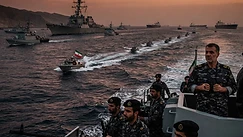
Tehran Outlines Formal Exclusion Zone Around Hormuz to Counter US Blockade
Iranian security officials have announced imminent plans to implement an operational maritime exclusion zone stretching from the U.S. naval blockade perimeter directly across the Strait of Hormuz.
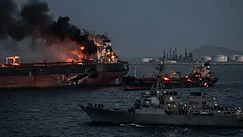
US Neutralizes IRGC Tankers off Kharg Island as Diplomatic Narrative Fractures
U.S. Central Command disabled three Iranian crude carriers over the weekend following IRGC missile launches against American warships, escalating the maritime conflict into its seventh month.
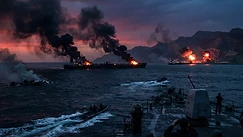
CENTCOM Destroys Iranian Tankers and Coastal Launch Sites as Tehran Claims Drone Intercepts
U.S. Central Command struck three Iranian oil tankers and pre-positioned coastal minelaying missile platforms, while Tehran claimed to strike an unmanned American naval vessel in contested Hormuz waters.