Escalating Drone Strikes on ADNOC Tankers Deepen Hormuz Crisis
The United Arab Emirates has formally blamed Iran for a series of drone strikes targeting state-owned oil tankers, further destabilizing the already volatile Strait of Hormuz.

Your ad here — 728×90 banner space
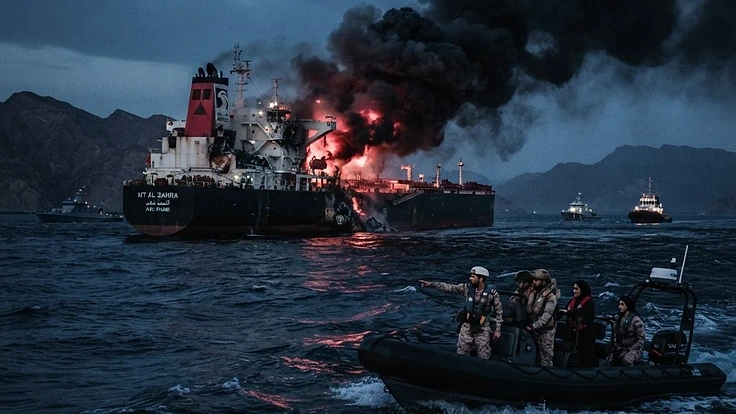
Tensions in the Persian Gulf reached a new peak this weekend as the United Arab Emirates (UAE) accused Iranian forces of launching drone strikes against two tankers operated by the Abu Dhabi National Oil Company (ADNOC). The incident, which occurred within the critical chokepoint of the Strait of Hormuz, marks a significant escalation in the ongoing maritime standoff between Washington and Tehran. According to regional reports, the strikes caused damage to the vessels, forcing a reassessment of security protocols for all commercial shipping in the area. The U.S. military, which has maintained a persistent naval presence in the region, has yet to confirm the specific tactical details of the engagement but has reiterated its commitment to ensuring the freedom of navigation. This latest provocation follows a week of stalled diplomatic efforts, as both sides remain entrenched in a stalemate over the conditions for reopening the waterway. Analysts suggest that the targeting of state-owned energy infrastructure is a calculated move by Tehran to exert economic pressure on regional allies of the United States. With shipping traffic already at a three-month low, the incident has effectively neutralized recent optimism regarding a potential breakthrough in negotiations. Insurance premiums for vessels operating in the Arabian Sea and the Gulf of Oman are expected to surge as the Joint War Committee continues to monitor the high-risk maritime environment. As of Saturday, no casualties have been reported, but the incident has prompted an immediate increase in defensive posture by U.S. naval assets patrolling the periphery of the strait. The international community remains on high alert, fearing that further direct strikes on energy infrastructure could trigger a broader regional conflict, potentially disrupting global energy supplies that rely on the Hormuz conduit for nearly 20% of daily maritime oil trade.
Related Intel

Tehran Outlines Formal Exclusion Zone Around Hormuz to Counter US Blockade
Iranian security officials have announced imminent plans to implement an operational maritime exclusion zone stretching from the U.S. naval blockade perimeter directly across the Strait of Hormuz.

US Neutralizes IRGC Tankers off Kharg Island as Diplomatic Narrative Fractures
U.S. Central Command disabled three Iranian crude carriers over the weekend following IRGC missile launches against American warships, escalating the maritime conflict into its seventh month.

CENTCOM Destroys Iranian Tankers and Coastal Launch Sites as Tehran Claims Drone Intercepts
U.S. Central Command struck three Iranian oil tankers and pre-positioned coastal minelaying missile platforms, while Tehran claimed to strike an unmanned American naval vessel in contested Hormuz waters.