Diplomatic Stagnation Persists Amid Regional Escalation
Diplomatic channels between the U.S. and Iran remain effectively frozen as both nations prioritize military posturing over negotiations.
Your ad here — 728×90 banner space
The diplomatic landscape surrounding the U.S.-Iran conflict has reached a state of near-total stagnation. Despite the severe economic pressure exerted by international sanctions and the ongoing military exchanges, there is little evidence of a willingness to return to the negotiating table. Tehran has recently issued a set of six sweeping conditions for the reopening of the Strait of Hormuz, which the United States has effectively rejected. Meanwhile, the U.S. administration continues to emphasize a policy of 'maximum pressure,' utilizing both economic sanctions and targeted military strikes to degrade Iranian capabilities. Regional actors, including those in the Gulf, have expressed deep concern over the lack of progress, with some nations calling for a de-escalation that currently seems unlikely. The rhetoric from both capitals has become increasingly bellicose, with U.S. leadership describing Iran as a 'failed nation' and Iranian officials threatening a 'crushing' response to any further U.S. military presence. This hardening of positions suggests that the conflict is likely to remain in a state of active, albeit limited, military confrontation for the near term. Without a neutral mediator capable of bridging the vast divide between the two sides, the risk of a broader regional conflict continues to grow, threatening not only the stability of the Strait of Hormuz but the broader geopolitical order of the Middle East.
Related Intel
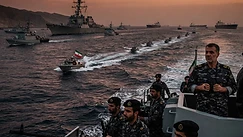
Tehran Outlines Formal Exclusion Zone Around Hormuz to Counter US Blockade
Iranian security officials have announced imminent plans to implement an operational maritime exclusion zone stretching from the U.S. naval blockade perimeter directly across the Strait of Hormuz.
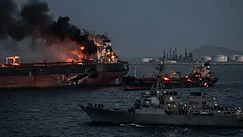
US Neutralizes IRGC Tankers off Kharg Island as Diplomatic Narrative Fractures
U.S. Central Command disabled three Iranian crude carriers over the weekend following IRGC missile launches against American warships, escalating the maritime conflict into its seventh month.
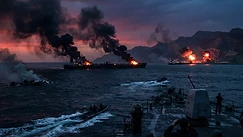
CENTCOM Destroys Iranian Tankers and Coastal Launch Sites as Tehran Claims Drone Intercepts
U.S. Central Command struck three Iranian oil tankers and pre-positioned coastal minelaying missile platforms, while Tehran claimed to strike an unmanned American naval vessel in contested Hormuz waters.