Diplomatic Deadlock: Tehran Demands Reparations as Talks Stall
Diplomatic efforts to reopen the Strait of Hormuz have reached a stalemate as Iran insists on reparations and sanctions relief, rejecting U.S. pressure.
Your ad here — 728×90 banner space
The diplomatic landscape surrounding the Strait of Hormuz has become increasingly bleak, with Tehran explicitly rejecting further peace talks with the United States under current conditions. Iranian Foreign Minister Abbas Araqchi has stated that Washington must meet specific demands, including the release of frozen assets and the cessation of regional military operations, before any discussion regarding the reopening of the strait can proceed. This stance has effectively neutralized the mediation efforts previously led by regional powers like Oman and Qatar. President Trump’s administration, meanwhile, has adopted a hardline approach, ruling out any extension of the expired ceasefire and threatening further military action if Iran continues to interfere with maritime traffic. The disconnect between the two sides is profound; while the U.S. views the blockade as an illegal act of aggression, Iran maintains that it is exercising its sovereign right to manage the waterway in response to U.S. sanctions and military presence. This impasse has left the international community with few options for de-escalation. Experts at the CSIS and other geopolitical think tanks suggest that the conflict has evolved into a war of attrition, where both sides are using the strait as a primary lever of economic and military pressure. As long as the diplomatic deadlock persists, the risk of accidental escalation remains high, and the global economy will continue to bear the cost of the resulting energy supply disruptions. The lack of a clear exit strategy for either party suggests that the current state of instability may persist for the foreseeable future.
Related Intel

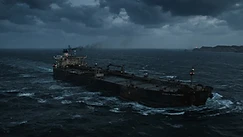
Global Refiners Face Structural Fuel Shortages as Gulf Chokepoints and European Upstream Shocks Intersect
Compounding disruptions in Persian Gulf transit and ongoing attacks on Eurasian refining infrastructure are creating an acute global middle-distillate deficit, keeping refined product crack spreads near historical highs.
Gulf War Insurance Tariffs and Escort Mandates Reshape Middle East Merchant Logistics
Surging hull insurance rates, strict daylight navigation advisories, and military convoy requirements are establishing a permanent high-friction operating environment in the Persian Gulf. Maritime analysts project that high logistics costs will alter commercial trade patterns well into 2027.
Muscat Transit Route Talks Falter Over Iranian Compensation Demands
Bilateral Oman-Iran framework talks regarding an alternate maritime corridor have encountered deep friction over tolling authority and US sanctions relief demands.