Global Refiners Face Structural Fuel Shortages as Gulf Chokepoints and European Upstream Shocks Intersect
Compounding disruptions in Persian Gulf transit and ongoing attacks on Eurasian refining infrastructure are creating an acute global middle-distillate deficit, keeping refined product crack spreads near historical highs.
Your ad here — 728×90 banner space
The global refining landscape is experiencing a severe structural crunch, as escalating security restrictions in the Strait of Hormuz coincide with broader geopolitical shocks to international refining capacity. The physical restriction of crude and refined petroleum products out of the Persian Gulf has driven crack spreads to historic wide margins, hitting transportation sectors and industrial consumers with soaring diesel and heating oil prices as detailed by Fox 13 Utah and EnergyNow.com.
In the United States, average diesel prices jumped to $5.46 per gallon—a significant climb from $3.69 recorded twelve months prior. While domestic crude production remains robust, the downstream capacity to process heavy and medium sour grades typically supplied by Gulf producers has become increasingly constrained. Compounding these dynamics, extensive drone and missile strikes on energy facilities in Russia and Eastern Europe have knocked major hydrocrackers offline, curbing European gasoil imports and forcing continental inventories well below established seasonal minimums.
Refiners across the Asia-Pacific region, who depend heavily on Gulf feedstocks, are attempting to divert cargo purchases toward Atlantic Basin sweet barrels and available West African grades. However, long-haul voyages circumventing the Cape of Good Hope add upwards of 14 to 20 days to transit timetables, locking substantial product volumes into floating transit and tying up limited commercial tanker tonnage. This extended ton-mile requirement has triggered an auxiliary spike in freight spot fixtures.
Energy analysts at major research firms caution that the refining complex lacks sufficient idle capacity to absorb further supply interruptions. Should commercial transits through Hormuz experience repeated multi-day closures or sustained kinetic harassment, the global market risks entering what industry models describe as a critical tipping point. Under these conditions, refined fuel benchmarks will be driven not merely by headline crude prices, but by absolute physical shortages in global diesel and jet fuel supply chains.
Related Intel
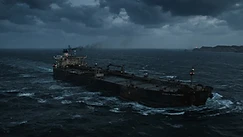
Diverging Transit Estimates Expose Fog of War Across Middle East Energy Routes
Conflicting transit claims from Washington and maritime tracking services underscore how information warfare has become central to energy price discovery.
Dual Blockade Dynamics and War Risk Premiums Paralyze Hormuz Commercial Vessel Throughput
Structural maritime paralysis grips the Persian Gulf as war-risk insurance premiums reaching eight percent combine with active minelaying to throttle baseline throughput.
Strait Risk Matrix Elevates as Daily AIS Transits Compress to Low Single Digits
Real-time maritime tracking indicates commercial vessel transits through the Strait of Hormuz have collapsed to historic lows, with only four active merchant hulls tracked along the primary corridor.