Muscat Transit Route Talks Falter Over Iranian Compensation Demands
Bilateral Oman-Iran framework talks regarding an alternate maritime corridor have encountered deep friction over tolling authority and US sanctions relief demands.
Your ad here — 728×90 banner space
Efforts by the Sultanate of Oman to broker a sustainable passage framework through the Strait of Hormuz have stalled as Tehran ties the demilitarization of the waterway to direct fiscal compensations and absolute legal authority over navigation lanes, according to regional diplomatic sources covered by The Daily Star.
Iranian Foreign Minister Abbas Araqchi stated that while technical negotiations regarding a temporary alternate shipping route mediated by Muscat showed initial alignment, opening the passage permanently remained contingent upon the United States lifting naval blockades and addressing Iranian damages. In parallel, Islamic Revolutionary Guard Corps officials reiterated that operational passage rights through the corridor would remain conditional on Washington accepting Tehran's core political and financial requirements.
The core dispute centers on traffic management and sovereign oversight. Iran has insisted that the previous international traffic separation scheme is void, attempting to impose unilateral passage permissions and tolls on commercial carriers entering the Persian Gulf. Conversely, Washington and allied Gulf partners have adamantly rejected any arrangement conferring operational tolling or arbitrary interdiction authority to the IRGC.
Compounding diplomatic paralysis, commercial operators have sustained continuous attrition; Abu Dhabi National Oil Company recently reported that 15 of its affiliated vessels have suffered damage since hostilities commenced. With US officials conditioning sanctions adjustments purely on unhindered, verified civilian transit, the diplomatic pathway through Muscat remains vulnerable to sudden military developments on the water.
Related Intel
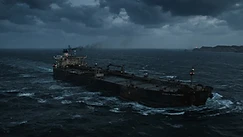
Diverging Transit Estimates Expose Fog of War Across Middle East Energy Routes
Conflicting transit claims from Washington and maritime tracking services underscore how information warfare has become central to energy price discovery.
Dual Blockade Dynamics and War Risk Premiums Paralyze Hormuz Commercial Vessel Throughput
Structural maritime paralysis grips the Persian Gulf as war-risk insurance premiums reaching eight percent combine with active minelaying to throttle baseline throughput.
Strait Risk Matrix Elevates as Daily AIS Transits Compress to Low Single Digits
Real-time maritime tracking indicates commercial vessel transits through the Strait of Hormuz have collapsed to historic lows, with only four active merchant hulls tracked along the primary corridor.