Diplomatic Channels Strain as Iran Rejects Calls for De-escalation
G7 nations and regional partners struggle to convince Tehran to temper its response following the assassination of high-level militant leaders.
Your ad here — 728×90 banner space
Diplomatic efforts to prevent a full-scale regional war in the Middle East are reaching a critical juncture as Iran maintains its stance on retaliating against Israel. Over the last 24 hours, the G7 Foreign Ministers issued a joint statement expressing 'deep concern' over the heightened level of tension and urged all involved parties to exercise restraint. U.S. Secretary of State Antony Blinken has been engaged in a flurry of calls with counterparts in Jordan, Qatar, and Egypt to leverage their influence with Tehran. However, Iranian officials have publicly rejected these calls for de-escalation, characterizing them as a violation of their sovereignty. The Iranian Foreign Ministry stated that their response to the assassination of Ismail Haniyeh is a 'legal right' and a necessary measure to deter future Israeli actions. This diplomatic impasse is complicated by the domestic political environment in Tehran, where hardliners are demanding a forceful response to restore national honor. Meanwhile, European intermediaries have warned that a miscalculation could trigger a cycle of violence that transcends national borders. The OIC (Organization of Islamic Cooperation) is also expected to hold discussions regarding the situation, though expectations for a unified de-escalatory path remain low. The U.S. administration is balancing its military build-up with a diplomatic 'off-ramp,' offering potential pathways for reduced tensions if Iran limits its response to symbolic targets. Nevertheless, the lack of direct communication channels between Washington and Tehran continues to elevate the risk of unintended escalation. Diplomatic sources suggest that the window for a negotiated slowdown is closing rapidly as military preparations across the 'Axis of Resistance' reach a state of high readiness.
Related Intel
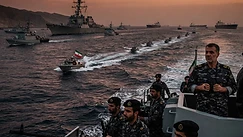
Tehran Outlines Formal Exclusion Zone Around Hormuz to Counter US Blockade
Iranian security officials have announced imminent plans to implement an operational maritime exclusion zone stretching from the U.S. naval blockade perimeter directly across the Strait of Hormuz.
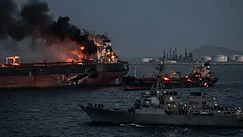
US Neutralizes IRGC Tankers off Kharg Island as Diplomatic Narrative Fractures
U.S. Central Command disabled three Iranian crude carriers over the weekend following IRGC missile launches against American warships, escalating the maritime conflict into its seventh month.
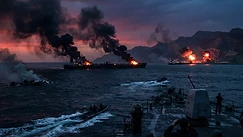
CENTCOM Destroys Iranian Tankers and Coastal Launch Sites as Tehran Claims Drone Intercepts
U.S. Central Command struck three Iranian oil tankers and pre-positioned coastal minelaying missile platforms, while Tehran claimed to strike an unmanned American naval vessel in contested Hormuz waters.