Diplomatic Channels Stagnate as Tehran Rejects New Talks
Diplomatic efforts to resolve the US-Iran standoff have effectively stalled, with both nations signaling a preference for military posturing over negotiation.
Your ad here — 728×90 banner space
The diplomatic landscape between Washington and Tehran has reached a state of near-total paralysis following the latest round of military exchanges. Despite previous attempts to establish a temporary corridor or de-escalation framework, both sides have retreated into hostile rhetoric. President Trump has explicitly stated that no talks are currently scheduled, reinforcing the administration's stance that the U.S. will maintain its current pressure campaign. Conversely, Iranian officials have rejected the prospect of immediate negotiations, citing the ongoing military strikes as a barrier to constructive dialogue. The impasse is particularly concerning for regional stakeholders who rely on the stability of the Strait of Hormuz for economic survival. Recent reports indicate that while Iran and Oman have discussed potential temporary corridors, these efforts have failed to gain traction in the face of the broader U.S.-Iran confrontation. The lack of a diplomatic off-ramp means that the conflict is increasingly defined by military tit-for-tat exchanges rather than strategic engagement. Observers note that the absence of back-channel communication increases the risk of miscalculation, as both nations struggle to define the boundaries of their respective red lines. Without a shift in policy, the current state of 'armed stalemate' is expected to persist, keeping global markets on edge and ensuring that the geopolitical risk premium remains embedded in the price of crude oil for the foreseeable future.
Related Intel
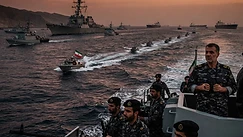
Tehran Outlines Formal Exclusion Zone Around Hormuz to Counter US Blockade
Iranian security officials have announced imminent plans to implement an operational maritime exclusion zone stretching from the U.S. naval blockade perimeter directly across the Strait of Hormuz.
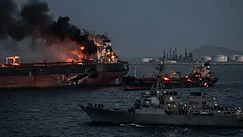
US Neutralizes IRGC Tankers off Kharg Island as Diplomatic Narrative Fractures
U.S. Central Command disabled three Iranian crude carriers over the weekend following IRGC missile launches against American warships, escalating the maritime conflict into its seventh month.
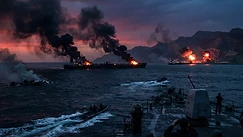
CENTCOM Destroys Iranian Tankers and Coastal Launch Sites as Tehran Claims Drone Intercepts
U.S. Central Command struck three Iranian oil tankers and pre-positioned coastal minelaying missile platforms, while Tehran claimed to strike an unmanned American naval vessel in contested Hormuz waters.