Diplomatic Brinkmanship: Trump Demands Reparations as Oman-Led Talks Enter Final Phase
President Trump has introduced new demands for financial compensation from Tehran as Omani mediators attempt to finalize a framework for reopening the Strait of Hormuz.
Your ad here — 728×90 banner space
The diplomatic landscape surrounding the Strait of Hormuz has shifted dramatically in the last 24 hours as President Donald Trump signaled a hardening of the U.S. negotiating position. Despite reports from Omani mediators that a deal to reopen the vital waterway was in its 'final stages,' the White House has introduced a new requirement: formal financial compensation from Tehran for recent maritime disruptions. This development comes as Iranian officials warned that the Strait will remain closed to specific traffic until the U.S. naval blockade is fully lifted and their own conditions are met. The Omani-led framework, which has been the primary vehicle for de-escalation since the collapse of the July ceasefire, aims to restore the status quo that existed before the current conflict erupted in early 2026. Treasury Secretary Scott Bessent recently suggested that a deal could be reached 'today,' a sentiment that initially sent oil prices lower and boosted global equities. However, the introduction of the compensation demand has introduced fresh friction. Iranian state media responded by reiterating that the closure of the Strait is a direct response to the U.S. blockade of Iranian ports, specifically targeting Kharg Island. The conflict, which flared up again on July 8 after President Trump declared the previous three-month ceasefire 'over,' has seen a significant increase in kinetic activity. U.S. strikes on Larak Island and Iranian retaliatory actions against commercial shipping have created a volatile environment for international trade. While the U.S. maintains that it is seeking a 'better deal' than the previous nuclear pact, Tehran has remained steadfast in its demand for the removal of all maritime restrictions. Analysts at S&P Global Market Intelligence note that while a Memorandum of Understanding (MoU) could reduce shipping risks from 'Extreme' to 'Severe,' the path to full normalization remains obstructed by these new political demands. The current standoff has kept Brent crude prices elevated near the $83 mark as traders weigh the possibility of a diplomatic breakthrough against the reality of continued naval enforcement. For now, the shipping industry remains in a state of high alert, with many vessels continuing to operate in 'dark mode' to avoid detection while transiting the periphery of the Gulf.
Related Intel

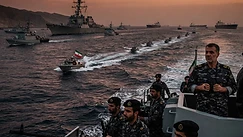
Tehran Outlines Formal Exclusion Zone Around Hormuz to Counter US Blockade
Iranian security officials have announced imminent plans to implement an operational maritime exclusion zone stretching from the U.S. naval blockade perimeter directly across the Strait of Hormuz.

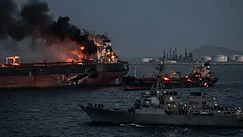
US Neutralizes IRGC Tankers off Kharg Island as Diplomatic Narrative Fractures
U.S. Central Command disabled three Iranian crude carriers over the weekend following IRGC missile launches against American warships, escalating the maritime conflict into its seventh month.

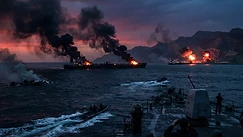
CENTCOM Destroys Iranian Tankers and Coastal Launch Sites as Tehran Claims Drone Intercepts
U.S. Central Command struck three Iranian oil tankers and pre-positioned coastal minelaying missile platforms, while Tehran claimed to strike an unmanned American naval vessel in contested Hormuz waters.