Defensive Posture: Global Shipping Firms Maintain Red Sea Diversions Despite Naval Presence
New data from maritime analytics firms shows that over 90% of container traffic continues to avoid the Bab el-Mandeb strait, opting for the longer Cape of Good Hope route.
Your ad here — 728×90 banner space
Long-Term Shift in Maritime Logistics
What was initially viewed as a temporary disruption has now solidified into a long-term strategic shift for the global shipping industry. Data released this week by Clarkson Research and Maersk indicates that the volume of container ships transiting the Red Sea remains approximately 70% below 2023 levels. The persistent threat from Houthi unmanned surface vessels (USVs) and anti-ship ballistic missiles has rendered the Suez Canal route economically unviable for most major carriers due to skyrocketing insurance premiums.
The 'Cape of Good Hope' route, which adds roughly 10 to 14 days to a round trip between Asia and Northern Europe, has become the default path. This shift has significant implications for global supply chains, including increased carbon emissions, higher fuel consumption, and a tightening of available vessel capacity. Freight rates on the Shanghai-to-Rotterdam route remain elevated, hovering near $8,000 per 40-foot container, nearly triple the rates seen last year.
Houthi Persistence and the 'Joint Guardian' Mission
Despite the US-led 'Operation Prosperity Guardian' and the EU’s 'Aspides' mission, the Houthis have demonstrated a resilient capability to strike commercial targets. Over the last 48 hours, US Central Command (CENTCOM) reported the destruction of three Houthi USVs in the Red Sea. However, the sheer cost-asymmetry of the conflict—where multimillion-dollar interceptor missiles are used to down cheap drones—favors the insurgent group in a war of attrition.
Furthermore, the Houthis have expanded their target list to include vessels owned by companies that have docked in Israeli ports, regardless of the vessel's current destination. This 'guilt by association' policy has forced logistics managers to conduct deep-tier due diligence on their fleet's history to avoid being targeted.
Strategic Buffer and Inventory Hedging
For regional stakeholders, the continued disruption serves as a stress test for national resilience. Saudi Arabia and the UAE have increasingly utilized their internal pipeline networks to move crude to the Red Sea and Gulf of Oman ports, bypassing the Bab el-Mandeb where possible. For commercial enterprises, the Sentinel Desk recommends maintaining 'safety stock' levels at 15-20% above the pre-2023 baseline to account for the transit delays. The expectation is that this maritime 'new normal' will persist through at least the first quarter of 2025.
Related Intel

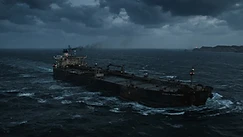
Strait Commodity Transits Plunge to Fresh Baselines Following Tit-for-Tat Tanker Strikes
Commercial traffic through the Strait of Hormuz has plummeted to an average of just 10 commodity vessels per day following mutual military attacks on commercial and state-linked tankers.
Strait Corridor Suppression Drags Commercial Transits Far Below Pre-War Baselines
Vessel transit figures through Hormuz remain deeply depressed, with tracking services recording single-digit crossings despite official claims of operational normalization.
Tehran Rejects Qatari Transit Initiatives as Regional Allied Navies Resist Unilateral Escort Commitments
Diplomatic sources confirm Iran has rebuffed Qatari mediation to ease Strait shipping controls, while key Asian allies push back on demands for independent naval deployments.