Navigational Security: CENTCOM Neutralizes Houthi Launch Sites to Protect Red Sea Transit
US forces successfully destroyed Houthi uncrewed aerial vehicles and surface vessels in the Red Sea following a series of attempted attacks on commercial shipping.
Your ad here — 728×90 banner space
Operation Prosperity Guardian Update
U.S. Central Command (CENTCOM) forces have successfully conducted a series of self-defense strikes against Houthi-controlled infrastructure in Yemen over the past 24 hours. According to official military statements, CENTCOM assets destroyed six Houthi uncrewed aerial vehicles (UAVs) and three uncrewed surface vessels (USVs) in the southern Red Sea. These assets were deemed an imminent threat to U.S. and coalition forces, as well as merchant vessels operating in the vital international shipping lane.
The Houthis, an Iran-backed movement, have sustained their campaign of maritime harassment for over nine months, ostensibly in support of Gaza. However, the strikes have increasingly targeted vessels with no discernible link to Israel, complicating global logistics and forcing major shipping lines like Maersk and Hapag-Lloyd to continue rerouting around the Cape of Good Hope. This detour adds approximately 10 to 14 days to transit times and significantly increases carbon emissions and fuel costs for global trade.
Intelligence Assessment of Houthi Capabilities
Despite months of U.S.-led airstrikes aimed at degrading their military capacity, the Houthis maintain a resilient inventory of anti-ship ballistic missiles and suicide drones. Intelligence reports indicate that the group continues to receive technical assistance and components from Iranian sources, often smuggled via dhows in the Gulf of Aden. The recent deployment of the USS Theodore Roosevelt (CVN 71) to the region, replacing the USS Dwight D. Eisenhower, ensures that the U.S. maintains a robust carrier-based strike capability to respond to these threats.
Maritime security analysts at the Hormuz Sentinel note that the Houthi tactics are evolving. The increased use of USVs—remote-controlled boats packed with explosives—presents a higher risk to hull integrity than aerial drones. Shipping companies are being advised to maintain high-alert protocols, including the use of private armed security teams and the disabling of Automatic Identification System (AIS) transponders in high-risk zones. While the Red Sea remains navigable for some, the 'new normal' of asymmetric maritime warfare continues to inflate insurance premiums and disrupt the just-in-time delivery models that underpin the global economy.
Related Intel
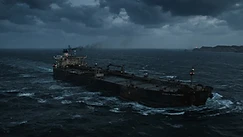
Strait Commodity Transits Plunge to Fresh Baselines Following Tit-for-Tat Tanker Strikes
Commercial traffic through the Strait of Hormuz has plummeted to an average of just 10 commodity vessels per day following mutual military attacks on commercial and state-linked tankers.
Strait Corridor Suppression Drags Commercial Transits Far Below Pre-War Baselines
Vessel transit figures through Hormuz remain deeply depressed, with tracking services recording single-digit crossings despite official claims of operational normalization.
Tehran Rejects Qatari Transit Initiatives as Regional Allied Navies Resist Unilateral Escort Commitments
Diplomatic sources confirm Iran has rebuffed Qatari mediation to ease Strait shipping controls, while key Asian allies push back on demands for independent naval deployments.