Ballistic Interception: CENTCOM Thwarts Large-Scale Iranian Missile Salvo Against Regional Assets
U.S. Central Command successfully intercepted multiple ballistic missiles launched by the IRGC in an attempted surprise attack late Tuesday.

Your ad here — 728×90 banner space
Regional Air Defense Network Validated
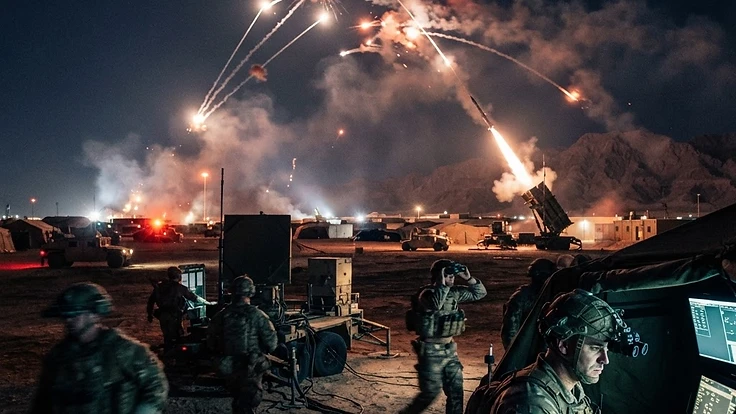
In a significant escalation of hostilities, U.S. Central Command (CENTCOM) reported on Wednesday that it successfully thwarted a major "attempted surprise attack" by the Iranian Revolutionary Guard Corps (IRGC). According to official statements released on the morning of July 29, 2026, the IRGC launched multiple ballistic missiles targeting U.S. forces and strategic assets across the Middle East. The barrage, which commenced at approximately 5:45 p.m. ET on Tuesday, was met with a comprehensive response from the regional integrated air and missile defense network.
CENTCOM officials confirmed that 100% of the incoming threats were neutralized before reaching their targets. "U.S. forces remain vigilant and at a high state of readiness," the statement read, emphasizing that the interception demonstrated the technological superiority and readiness of the defensive systems deployed in the region. While the specific launch sites within Iran were not disclosed for security reasons, preliminary intelligence suggests the missiles were launched from mobile platforms in western Iran.
The Failure of the 'Surprise' Doctrine
This latest salvo marks a departure from the recent pause in direct military strikes between Washington and Tehran. The attack appears to have been designed to overwhelm local defenses, utilizing high-velocity ballistic trajectories. However, the early detection capabilities of U.S. and allied radar installations provided sufficient lead time for the deployment of multiple interceptor tiers. Security analysts suggest that this failed strike may embolden proponents of a more aggressive U.S. response, as it indicates Tehran's willingness to engage in direct, high-stakes kinetic actions despite the presence of significant U.S. naval assets.
In Washington, the reaction was swift. During a press briefing, administration officials noted that the interception not only protected personnel but also prevented a catastrophic disruption to the global energy transit routes that the IRGC had seemingly intended to threaten. For the 'Hormuz Sentinel' intelligence desk, the primary takeaway is the continued efficacy of the U.S. anti-missile umbrella, which remains the primary deterrent against Iranian attempts to shift the regional balance of power through conventional missile strikes.
Implications for Maritime Security
The timing of the attack—coinciding with sensitive diplomatic movements—suggests a calculated attempt to disrupt ongoing negotiations regarding the Strait of Hormuz. By targeting U.S. assets directly, the IRGC has effectively closed the door on the 'ceasefire' talk that had dominated the headlines last week. Mariners in the Persian Gulf and the Gulf of Oman are being advised to maintain a high state of alert, as the potential for asymmetric retaliation in the maritime domain remains critical following the failure of the ballistic offensive.
Related Intel


Strait of Hormuz Volatility Spikes Following Fresh Tanker Attacks
Commercial shipping faces renewed peril as reports emerge of a tanker being struck in the Strait of Hormuz, just hours after the U.S. unveiled its latest 'Economic D-Day' sanctions package.


Regional Stability Tested as Israel-Hezbollah Exchange Marks Major Escalation
Following a massive exchange of fire between Israel and Hezbollah, the U.S. continues to bolster its regional presence to prevent a full-scale Iranian involvement.
U.S.-Iran Diplomatic Impasse Persists Despite Regional Mediation Efforts
Diplomatic channels between Washington and Tehran remain largely stagnant as both sides hold firm on their respective conditions for a lasting ceasefire.