Maritime Alert: US CENTCOM Reports Destruction of Houthi Unmanned Surface Vessels in Red Sea
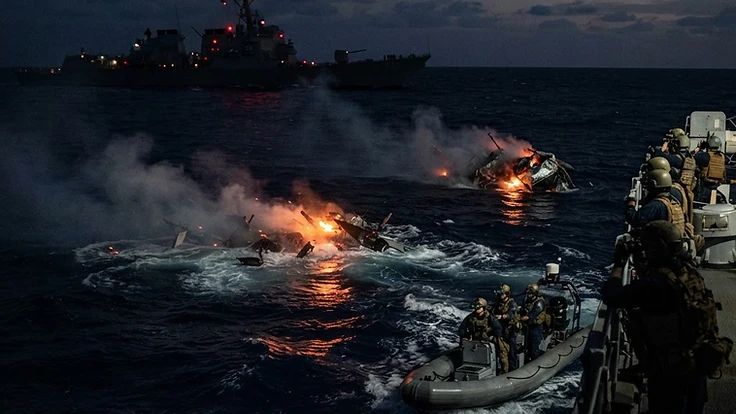
US Central Command forces successfully engaged and destroyed two Houthi unmanned surface vessels (USVs) that posed an imminent threat to merchant shipping.

Your ad here — 728×90 banner space
In the latest tactical engagement in the Southern Red Sea, US Central Command (CENTCOM) forces identified and neutralized two Houthi unmanned surface vessels (USVs) during a 24-hour operational window. According to a statement released by CENTCOM early this morning, the assets were determined to be an 'imminent threat' to US and coalition forces, as well as commercial shipping in the region. This incident follows a pattern of increased Houthi reliance on low-cost, high-impact remote technology to disrupt one of the world's most critical maritime corridors.
The use of USVs represents an evolution in Houthi maritime tactics, moving beyond standard anti-ship cruise missiles to include 'suicide boats' capable of causing significant hull damage. Maritime security firms suggest that these vessels are often launched from the Houthi-controlled Hodeidah coastline and utilize GPS-guided navigation. While no commercial vessels were hit in this specific engagement, the continued presence of such threats has kept war risk insurance premiums for the Red Sea at elevated levels. Insurance brokers in London report that the cost of transit through the Bab el-Mandeb remains significantly higher than 2023 averages, forcing many carriers to maintain the longer route around the Cape of Good Hope.
From a strategic perspective, the US naval presence, under Operation Prosperity Guardian, continues to focus on defensive interceptions. However, military analysts warn that the 'defensive-only' posture may be reaching its limit as Houthi forces continue to receive intelligence and technical support from regional backers. The destruction of these USVs highlights the persistent nature of the threat; despite months of coalition strikes on Houthi infrastructure, the group retains the capacity to launch sophisticated attacks. For shipping operators, the advice remains to maintain high-alert protocols and utilize private maritime security details when transiting high-risk zones. The Strait of Hormuz, while currently unaffected by this specific engagement, remains under increased surveillance by regional navies due to the potential for 'contagion' in maritime tactics.
Related Intel

Strait Commodity Transits Plunge to Fresh Baselines Following Tit-for-Tat Tanker Strikes
Commercial traffic through the Strait of Hormuz has plummeted to an average of just 10 commodity vessels per day following mutual military attacks on commercial and state-linked tankers.
Strait Corridor Suppression Drags Commercial Transits Far Below Pre-War Baselines
Vessel transit figures through Hormuz remain deeply depressed, with tracking services recording single-digit crossings despite official claims of operational normalization.
Tehran Rejects Qatari Transit Initiatives as Regional Allied Navies Resist Unilateral Escort Commitments
Diplomatic sources confirm Iran has rebuffed Qatari mediation to ease Strait shipping controls, while key Asian allies push back on demands for independent naval deployments.