CENTCOM Reports Destruction of Two Houthi UAVs in 24-Hour Defensive Action
U.S. forces neutralized two Houthi unmanned aerial vehicles in Yemen, continuing efforts to secure Red Sea commercial transit.
Your ad here — 728×90 banner space
U.S. Central Command (CENTCOM) confirmed on Thursday that its forces successfully destroyed two unmanned aerial vehicles (UAVs) in Houthi-controlled areas of Yemen. The operation, which took place within the last 24-hour reporting cycle, was characterized as a necessary action to protect U.S. and coalition forces, as well as merchant vessels navigating the Red Sea and Gulf of Aden. According to the official statement, CENTCOM forces determined these UAVs presented an imminent threat to regional maritime security. There were no injuries or damage reported by U.S., coalition, or commercial ships in the vicinity of the engagement. This latest tactical intervention underscores the persistent and asymmetric nature of the threat posed by the Iran-backed Houthi movement. Despite months of airstrikes by the U.S. and U.K. under Operation Prosperity Guardian, the Houthis retain the capability to launch sophisticated drone and missile attacks against international shipping. The group has stated that its actions are a response to the ongoing Israeli military operations in Gaza and are intended to pressure the international community into forcing a ceasefire. The strategic impact of these frequent but localized engagements is profound for global logistics. Shipping companies continue to divert vessels around the Cape of Good Hope, adding 10 to 14 days to transit times and increasing operational costs and carbon emissions. Insurance premiums for vessels entering the 'high-risk zone' remain elevated, contributing to inflationary pressures in the global supply chain. Intelligence reports suggest that Iran continues to provide the Houthis with technical expertise and components for these UAVs, facilitating a low-cost, high-impact campaign that challenges the U.S. Navy's traditional dominance in these waters. For the Hormuz Sentinel, these daily skirmishes are part of a broader 'gray zone' conflict where Tehran uses its regional proxies to exert leverage without triggering a direct conventional confrontation with the United States. The continued use of UAVs—which are cheap to produce and difficult to detect—requires constant vigilance and the deployment of expensive interceptor missiles, creating a cost-exchange ratio that favors the insurgents in a prolonged war of attrition.
Related Intel
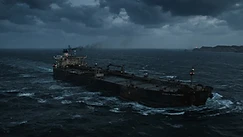
Strait Commodity Transits Plunge to Fresh Baselines Following Tit-for-Tat Tanker Strikes
Commercial traffic through the Strait of Hormuz has plummeted to an average of just 10 commodity vessels per day following mutual military attacks on commercial and state-linked tankers.
Strait Corridor Suppression Drags Commercial Transits Far Below Pre-War Baselines
Vessel transit figures through Hormuz remain deeply depressed, with tracking services recording single-digit crossings despite official claims of operational normalization.
Tehran Rejects Qatari Transit Initiatives as Regional Allied Navies Resist Unilateral Escort Commitments
Diplomatic sources confirm Iran has rebuffed Qatari mediation to ease Strait shipping controls, while key Asian allies push back on demands for independent naval deployments.