CENTCOM Disables Houthi Surface-to-Air Missile to Preserve Regional Aviation Safety
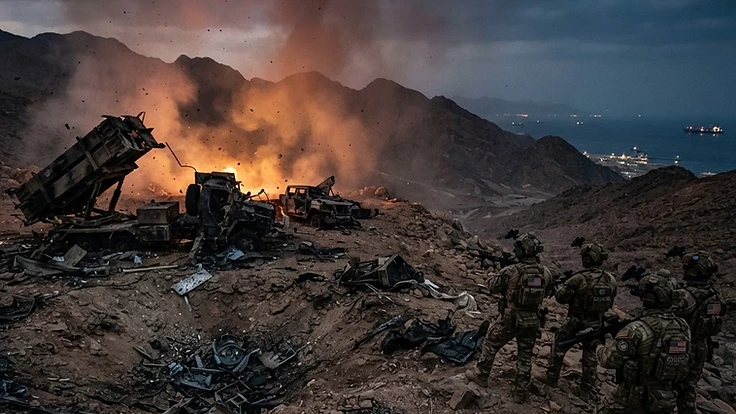
US Central Command forces successfully destroyed a Houthi surface-to-air missile in Yemen, citing an imminent threat to US and coalition aircraft.

Your ad here — 728×90 banner space
In a targeted operation conducted within the last 24 hours, US Central Command (CENTCOM) forces successfully identified and destroyed a Houthi surface-to-air missile (SAM) system and its associated radar equipment in a Houthi-controlled area of Yemen. The strike was executed under the standing rules of engagement aimed at protecting freedom of navigation and ensuring the safety of both commercial and military assets operating in the Red Sea and Gulf of Aden.
According to a statement released by CENTCOM, the missile system posed an 'imminent threat' to US and coalition forces, as well as civilian aircraft in the region. This tactical engagement underscores the persistent capability of the Iranian-backed Houthi movement to deploy sophisticated weaponry despite months of coalition airstrikes aimed at degrading their military infrastructure. Intelligence reports suggest that the Houthis continue to receive critical components and technical expertise from the Islamic Revolutionary Guard Corps (IRGC), enabling them to maintain a credible anti-access/area-denial (A2/AD) posture.
The destruction of the SAM system comes amid a period of heightened regional tension following the Israeli strike on the port of Hodeidah last week. While the Houthis have vowed 'significant retaliation,' their recent activities have largely focused on maintaining their blockade of the Bab el-Mandeb strait through drone and missile attacks on merchant vessels. Maritime security experts suggest that by targeting Houthi air defense assets, CENTCOM is attempting to maintain air superiority to facilitate ongoing surveillance and interception missions. The mission was accomplished without reports of civilian casualties or damage to merchant shipping. However, the recurring nature of these engagements suggests that a long-term diplomatic or military resolution remains elusive as the conflict in Yemen remains deeply intertwined with the broader geopolitical friction between Washington and Tehran.
Related Intel

Tehran Outlines Formal Exclusion Zone Around Hormuz to Counter US Blockade
Iranian security officials have announced imminent plans to implement an operational maritime exclusion zone stretching from the U.S. naval blockade perimeter directly across the Strait of Hormuz.

US Neutralizes IRGC Tankers off Kharg Island as Diplomatic Narrative Fractures
U.S. Central Command disabled three Iranian crude carriers over the weekend following IRGC missile launches against American warships, escalating the maritime conflict into its seventh month.

CENTCOM Destroys Iranian Tankers and Coastal Launch Sites as Tehran Claims Drone Intercepts
U.S. Central Command struck three Iranian oil tankers and pre-positioned coastal minelaying missile platforms, while Tehran claimed to strike an unmanned American naval vessel in contested Hormuz waters.