CENTCOM Neutralizes Houthi Drones as Maritime Security Threats Persist in Gulf of Aden
U.S. Central Command reported the destruction of two Houthi uncrewed aerial vehicles and two uncrewed surface vessels in the Red Sea region over the last 24 hours.

Your ad here — 728×90 banner space
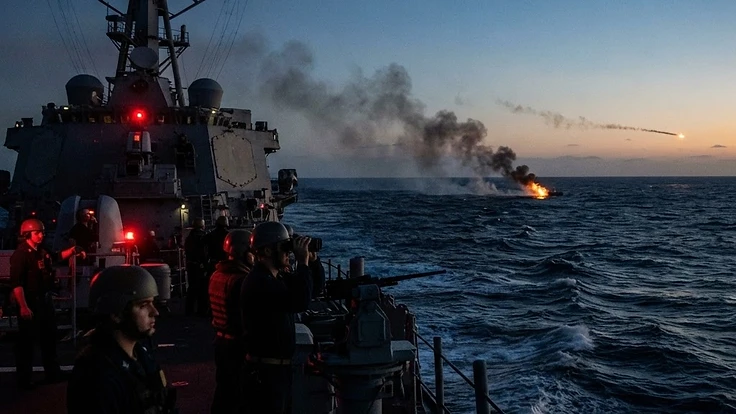
U.S. Central Command (CENTCOM) forces successfully engaged and destroyed multiple Houthi assets in the southern Red Sea and Gulf of Aden between July 24 and July 25. The operation resulted in the neutralization of two uncrewed aerial vehicles (UAVs) and two uncrewed surface vessels (USVs) launched from Houthi-controlled areas of Yemen. According to the official statement, these assets were determined to present an imminent threat to U.S. and coalition forces, as well as merchant vessels in the region. The interceptions are part of the ongoing 'Operation Prosperity Guardian,' aimed at securing the vital maritime corridor that handles approximately 12% of global trade.
The Houthi movement, officially known as Ansar Allah, has maintained its campaign of attacks despite repeated U.S. and U.K. airstrikes on their launch sites and radar installations. The group claims their actions are in solidarity with Palestinians in Gaza and will continue until a ceasefire is reached. Shipping data suggests that while the frequency of successful hits has decreased, the cost of transit remains elevated due to increased insurance premiums and the necessity of re-routing vessels around the Cape of Good Hope. The Suez Canal Authority has reported a significant drop in revenue, highlighting the economic impact of the prolonged insecurity.
Intelligence reports indicate that the Houthis are increasingly utilizing advanced sensor technology and long-range drones, likely supplied or facilitated by Iranian advisors. The use of USVs—remote-controlled boats packed with explosives—represents a tactical shift designed to bypass traditional air defense systems. 'The threat environment remains dynamic,' stated a maritime security analyst from the International Maritime Bureau. 'We are seeing a persistence in Houthi capabilities that suggests a robust supply chain despite international efforts to interdict weapons shipments.' Commercial operators are advised to maintain high alert levels and utilize private maritime security teams when transiting the Bab el-Mandeb strait. The U.S. Navy continues to maintain a carrier strike group in the region to provide rapid response capabilities, though the long-term sustainability of this deployment is a subject of debate in Washington.
Related Intel

Strait Commodity Transits Plunge to Fresh Baselines Following Tit-for-Tat Tanker Strikes
Commercial traffic through the Strait of Hormuz has plummeted to an average of just 10 commodity vessels per day following mutual military attacks on commercial and state-linked tankers.
Strait Corridor Suppression Drags Commercial Transits Far Below Pre-War Baselines
Vessel transit figures through Hormuz remain deeply depressed, with tracking services recording single-digit crossings despite official claims of operational normalization.
Tehran Rejects Qatari Transit Initiatives as Regional Allied Navies Resist Unilateral Escort Commitments
Diplomatic sources confirm Iran has rebuffed Qatari mediation to ease Strait shipping controls, while key Asian allies push back on demands for independent naval deployments.