CENTCOM Commander Completes Regional Tour to Synchronize Multi-National Defense
General Michael Erik Kurilla has concluded a strategic tour of the Middle East, focusing on the integration of regional air defenses ahead of a potential Iranian response.
Your ad here — 728×90 banner space
General Michael Erik Kurilla, commander of U.S. Central Command (CENTCOM), has concluded a high-stakes diplomatic and military tour of several Middle Eastern capitals, aimed at finalizing the coordination of a multi-national defense coalition. The visit, which included stops in Israel, Jordan, and several Gulf states, was designed to ensure that the integrated air and missile defense (IAMD) systems of regional partners are synchronized with U.S. assets. This comes as the Pentagon continues to move significant military hardware into the region, including the recent arrival of F-22 Raptors and the repositioning of the USS Abraham Lincoln Carrier Strike Group. The primary objective of Kurilla's mission was to mitigate the risk of a decentralized response to a potential Iranian attack, which could lead to friendly fire incidents or gaps in the defensive perimeter. Sources within the Department of Defense indicate that the U.S. is prioritizing the sharing of real-time radar data and interceptor coordination. The 2022 move of Israel into CENTCOM's area of responsibility has facilitated this level of cooperation, which was previously hindered by political sensitivities. During his meetings in Amman, General Kurilla reportedly discussed the protection of Jordanian airspace, which was utilized by both Western and regional forces to intercept Iranian drones during the April 13-14 escalation. The U.S. has also reinforced its bases in Iraq and Syria, particularly Al-Asad Airbase, following a series of rocket attacks by Iran-aligned militias that injured several American personnel earlier this week. The intelligence community remains on high alert for a 'multi-front' attack that could involve Hezbollah in Lebanon and the Houthis in Yemen simultaneously. Defense analysts suggest that the current U.S. posture is aimed at both deterrence and de-escalation; by demonstrating an impenetrable defense, Washington hopes to convince Tehran that a major kinetic response would be militarily ineffective and strategically costly. However, the window for a diplomatic off-ramp is narrowing as Iran's leadership faces domestic pressure to avenge the assassination of Ismail Haniyeh in Tehran. The conclusion of Kurilla's trip marks a transition from planning to operational readiness for the coalition forces stationed across the Red Sea and the Persian Gulf.
Related Intel
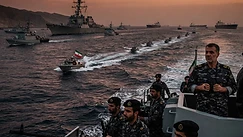
Tehran Outlines Formal Exclusion Zone Around Hormuz to Counter US Blockade
Iranian security officials have announced imminent plans to implement an operational maritime exclusion zone stretching from the U.S. naval blockade perimeter directly across the Strait of Hormuz.
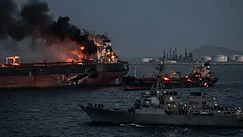
US Neutralizes IRGC Tankers off Kharg Island as Diplomatic Narrative Fractures
U.S. Central Command disabled three Iranian crude carriers over the weekend following IRGC missile launches against American warships, escalating the maritime conflict into its seventh month.
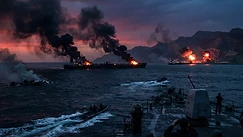
CENTCOM Destroys Iranian Tankers and Coastal Launch Sites as Tehran Claims Drone Intercepts
U.S. Central Command struck three Iranian oil tankers and pre-positioned coastal minelaying missile platforms, while Tehran claimed to strike an unmanned American naval vessel in contested Hormuz waters.