Ceasefire Expires as US-Iran Diplomacy Hits Dead End
The 60-day ceasefire between the United States and Iran has officially expired without a renewal, leaving the Strait of Hormuz in a state of high-stakes uncertainty.

Your ad here — 728×90 banner space
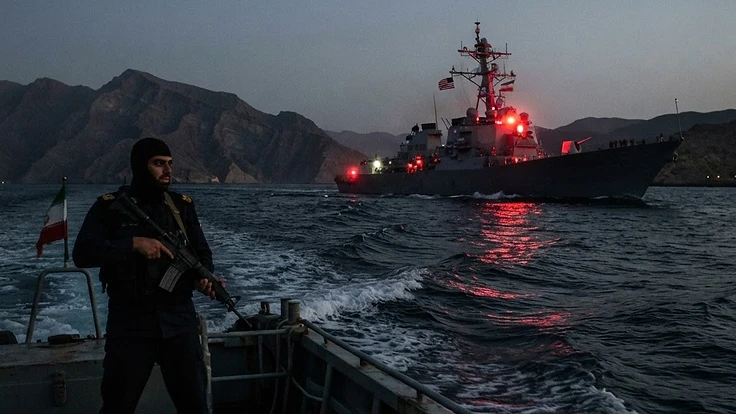
The fragile 60-day ceasefire agreement between the United States and Iran, which had provided a temporary reprieve from active hostilities, expired on Monday with no successor deal in place. President Donald Trump has signaled a firm refusal to extend the current terms, casting significant doubt on the future of diplomatic efforts to stabilize the region. As the deadline passed, Tehran issued warnings of a shift toward a 'fully offensive' military posture, further escalating tensions in the Persian Gulf. The expiration of the agreement comes after weeks of stalled negotiations, during which both sides failed to bridge the gap regarding the reopening of the Strait of Hormuz. While technical-level discussions have continued, the lack of a high-level breakthrough has left global markets and regional stakeholders bracing for a potential return to active conflict. The U.S. military maintains its naval presence in the region, continuing to enforce a blockade that has seen numerous commercial vessels redirected or boarded over the past several months. Iranian officials, meanwhile, have reiterated that the waterway will remain closed until their specific conditions—including the unfreezing of overseas assets—are met by Washington. With the diplomatic window effectively closed for the moment, the risk of miscalculation or renewed kinetic engagement has reached a critical level. Analysts are closely monitoring the Strait for any signs of military movement, as both nations appear to be preparing for a period of heightened confrontation. The absence of a formal ceasefire framework removes the primary mechanism that had been preventing a wider escalation, leaving the maritime corridor as the central flashpoint of the ongoing standoff.
Related Intel
Tehran Outlines Formal Exclusion Zone Around Hormuz to Counter US Blockade
Iranian security officials have announced imminent plans to implement an operational maritime exclusion zone stretching from the U.S. naval blockade perimeter directly across the Strait of Hormuz.

US Neutralizes IRGC Tankers off Kharg Island as Diplomatic Narrative Fractures
U.S. Central Command disabled three Iranian crude carriers over the weekend following IRGC missile launches against American warships, escalating the maritime conflict into its seventh month.

CENTCOM Destroys Iranian Tankers and Coastal Launch Sites as Tehran Claims Drone Intercepts
U.S. Central Command struck three Iranian oil tankers and pre-positioned coastal minelaying missile platforms, while Tehran claimed to strike an unmanned American naval vessel in contested Hormuz waters.