Blinken Appeals for De-escalation as US Bolsters Regional Defensive Shield
US Secretary of State Antony Blinken has urged all parties to avoid escalatory actions, while the Pentagon maintains a robust naval presence to deter a multi-front conflict.
Your ad here — 728×90 banner space
United States Secretary of State Antony Blinken has entered a period of intense 'shuttle diplomacy' via telephone, contacting counterparts in Qatar, Egypt, and Jordan to emphasize that all parties must refrain from actions that could further destabilize the Middle East. The diplomatic push comes as the White House attempts to salvaged the stalled Gaza ceasefire negotiations, which have been thrown into chaos by the assassination of Hamas negotiator Ismail Haniyeh in Tehran. Blinken’s message is clear: the U.S. is not seeking a wider war and believes that a ceasefire in Gaza remains the only viable path to long-term regional stability. However, the diplomatic overtures are being backed by a significant increase in U.S. military posture. The Pentagon has confirmed that the USS Theodore Roosevelt (CVN-71) carrier strike group is currently in the Gulf of Oman, while the USS Abraham Lincoln (CVN-72) strike group has been ordered to accelerate its transit to the region. These assets provide the U.S. with a massive array of defensive and offensive capabilities, including F/A-18 Super Hornets and advanced Aegis missile defense systems. In addition to naval assets, the U.S. Air Force has reportedly repositioned fighter squadrons to bases in the region to bolster the 'defensive shield' that successfully intercepted the majority of Iranian projectiles during the April 13 attack. Military analysts suggest that the U.S. strategy is two-fold: to deter Iran from a direct state-on-state attack by demonstrating overwhelming force, and to provide Israel with the security guarantees needed to prevent a preemptive strike on Lebanon. The challenge for the Biden administration is the perceived lack of leverage over both the Netanyahu government and the Iranian leadership. Tehran has publicly stated that it has a 'legal right' to respond to the violation of its sovereignty, while Israeli officials have indicated they will respond 'forcefully' to any attack from any quarter. The coming 48 to 72 hours are viewed by analysts as a critical window; if diplomacy fails to convince Iran to moderate its response, the U.S. could find itself directly involved in a multi-theater defense of Israeli territory, further straining the already fragile international order.
Related Intel

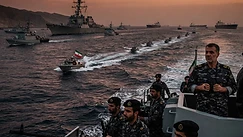
Tehran Outlines Formal Exclusion Zone Around Hormuz to Counter US Blockade
Iranian security officials have announced imminent plans to implement an operational maritime exclusion zone stretching from the U.S. naval blockade perimeter directly across the Strait of Hormuz.

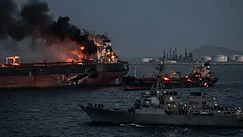
US Neutralizes IRGC Tankers off Kharg Island as Diplomatic Narrative Fractures
U.S. Central Command disabled three Iranian crude carriers over the weekend following IRGC missile launches against American warships, escalating the maritime conflict into its seventh month.

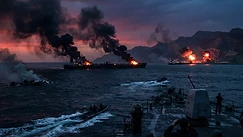
CENTCOM Destroys Iranian Tankers and Coastal Launch Sites as Tehran Claims Drone Intercepts
U.S. Central Command struck three Iranian oil tankers and pre-positioned coastal minelaying missile platforms, while Tehran claimed to strike an unmanned American naval vessel in contested Hormuz waters.