Babil Engagement: US Conducts Defensive Strike Against Militia Drone Unit in Iraq
US forces carried out a defensive airstrike in Iraq's Babil province on Tuesday, targeting militants who were attempting to launch one-way attack drones.

Your ad here — 728×90 banner space
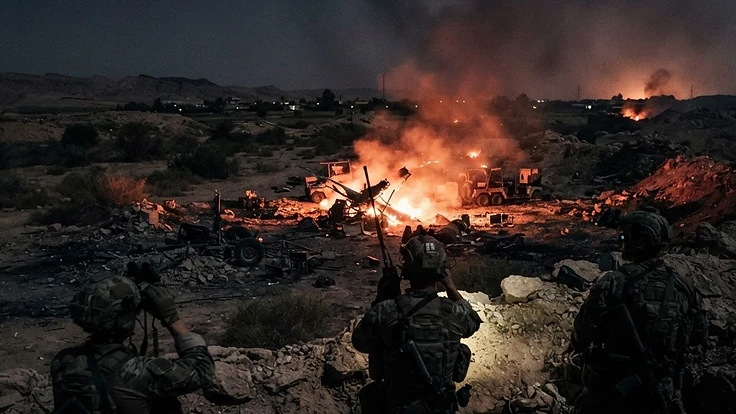
U.S. forces conducted a precision airstrike in the Musayib area of Iraq’s Babil province on Tuesday evening, targeting individuals identified as militants attempting to launch one-way attack drones. According to U.S. officials who spoke to Reuters on the condition of anonymity, the strike was characterized as a defensive measure aimed at neutralizing an imminent threat to U.S. and coalition personnel. Initial reports from Iraqi paramilitary sources, specifically those linked to the Popular Mobilization Forces (PMF), indicate that at least four members of the group were killed in the blast. This incident marks the first major U.S. kinetic action within Iraq since February, ending a period of relative quiet that had followed a surge in militia attacks on U.S. facilities earlier this year. The strike occurs at a moment of extreme regional volatility, as the United States remains on high alert for retaliatory actions from Iranian-backed groups following recent Israeli operations in Lebanon and Syria. Local witnesses reported hearing loud explosions near a base used by the PMF, which houses several Iranian-aligned factions including Kata'ib Hezbollah. While the U.S. maintains a force of approximately 2,500 personnel in Iraq to advise and assist local forces in preventing an ISIS resurgence, the presence of these troops has become a focal point of domestic Iraqi politics, with various factions demanding a full withdrawal. Pentagon officials have not officially named the group targeted but emphasized that the U.S. retains the inherent right to self-defense. Security analysts suggest that this strike serves as a clear signal to Tehran and its regional proxies that the 'wait-and-see' approach observed during the last few months may be ending if drone and rocket threats persist. The Iraqi government has yet to issue a formal diplomatic protest, though past strikes have led to significant tension between Baghdad and Washington regarding Iraqi sovereignty. For regional observers, the timing of the strike suggests a proactive effort by CENTCOM to degrade militia capabilities before they can be integrated into a larger, multi-front escalation involving Hezbollah or other members of the 'Axis of Resistance.' Tactical assets in the region, including the USS Theodore Roosevelt carrier strike group, remain positioned to respond to any further degradation of the security environment. Intelligence suggests that militia groups in Iraq and Syria have been repositioning assets and increasing their surveillance of U.S. bases in recent days, potentially anticipating a wider conflict.
Related Intel

Tehran Outlines Formal Exclusion Zone Around Hormuz to Counter US Blockade
Iranian security officials have announced imminent plans to implement an operational maritime exclusion zone stretching from the U.S. naval blockade perimeter directly across the Strait of Hormuz.

US Neutralizes IRGC Tankers off Kharg Island as Diplomatic Narrative Fractures
U.S. Central Command disabled three Iranian crude carriers over the weekend following IRGC missile launches against American warships, escalating the maritime conflict into its seventh month.

CENTCOM Destroys Iranian Tankers and Coastal Launch Sites as Tehran Claims Drone Intercepts
U.S. Central Command struck three Iranian oil tankers and pre-positioned coastal minelaying missile platforms, while Tehran claimed to strike an unmanned American naval vessel in contested Hormuz waters.