U.S. Implements Stealth Transit Tactics Amid Gulf Security Crisis
The U.S. military is reportedly utilizing stealth operations to navigate oil tankers through the Strait of Hormuz, circumventing Iranian-imposed transit restrictions.
Your ad here — 728×90 banner space
In a strategic pivot to maintain the flow of energy through the Persian Gulf, the United States has reportedly initiated stealth operations to facilitate the movement of oil tankers through the Strait of Hormuz. These measures come as Iran continues to enforce a restricted zone in the Gulf, effectively challenging international maritime freedom of navigation. Sources indicate that these operations are designed to minimize the visibility of commercial vessels, allowing them to traverse the chokepoint without triggering direct confrontation with Iranian naval assets. This development follows a series of attacks on commercial shipping in the region, which prompted the U.S. to conduct 'powerful strikes' against Iranian targets. The use of stealth tactics underscores the severity of the current security environment, where traditional diplomatic and naval presence has proven insufficient to guarantee safe passage. The U.S. military's reliance on these clandestine methods reflects a broader shift toward asymmetric warfare in the maritime domain. While the Pentagon has not officially disclosed the specifics of these operations, the move is seen as a necessary response to the collapse of the ceasefire and the subsequent hardening of Iran's stance on Strait access. Regional observers note that while these tactics may provide a temporary solution for energy transit, they do little to address the underlying geopolitical friction. The risk of miscalculation remains high, as any discovery of these stealth movements by Iranian forces could lead to a rapid escalation of hostilities. As the U.S. continues to balance its commitment to maritime security with the need to avoid a full-scale regional war, the Strait of Hormuz remains the most dangerous maritime corridor in the world.
Related Intel

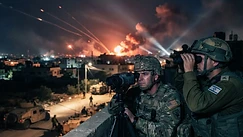
Joint US-Israel Offensive Against Iran Enters Second Week
The joint military campaign launched by the United States and Israel against Iranian targets continues, with President Trump signaling a prolonged operational timeline.


Casualties Reported in Strait of Hormuz Tanker Attack
An Iranian commercial vessel was struck in the Strait of Hormuz, resulting in one death and multiple injuries, further escalating maritime tensions.

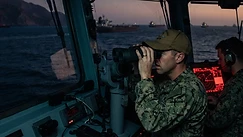
U.S. Intelligence Warns of Potential Iranian Naval Mine Deployment
U.S. officials have indicated that Iran may be preparing to deploy naval mines in the Strait of Hormuz to further restrict maritime traffic.