The Strategic Reality of the Hormuz Blockade
An analysis of the current maritime standoff reveals that Iran's strategy of coercion has effectively challenged traditional naval power projection.
Your ad here — 728×90 banner space
The ongoing blockade of the Strait of Hormuz represents a fundamental shift in maritime security dynamics. Unlike previous conflicts, Iran has successfully demonstrated that a combination of asymmetric tactics—including the use of sea mines, drone swarms, and targeted attacks on commercial vessels—can effectively paralyze a critical global chokepoint. This strategy has forced a re-evaluation of U.S. naval power projection in the region. Re-establishing freedom of navigation is no longer a simple matter of naval presence; it would require the neutralization of Iranian land-based assets capable of launching strikes from deep within their territory. Furthermore, the economic impact of this blockade is being felt globally, with the IEA noting that the disruption is the largest in history. While the U.S. and its allies have attempted to mitigate the impact through strategic reserve releases, these are stop-gap measures. The long-term reality is that the global energy market is facing a structural deficit that cannot be easily resolved without a significant change in the security status of the Strait. As the conflict drags on, the ability of the global economy to absorb these shocks will continue to diminish, potentially forcing a painful adjustment in global energy demand.
Related Intel

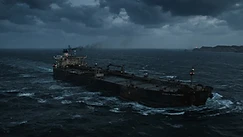
Diverging Transit Estimates Expose Fog of War Across Middle East Energy Routes
Conflicting transit claims from Washington and maritime tracking services underscore how information warfare has become central to energy price discovery.
Dual Blockade Dynamics and War Risk Premiums Paralyze Hormuz Commercial Vessel Throughput
Structural maritime paralysis grips the Persian Gulf as war-risk insurance premiums reaching eight percent combine with active minelaying to throttle baseline throughput.
Strait Risk Matrix Elevates as Daily AIS Transits Compress to Low Single Digits
Real-time maritime tracking indicates commercial vessel transits through the Strait of Hormuz have collapsed to historic lows, with only four active merchant hulls tracked along the primary corridor.