The Strategic Cost of the Hormuz Standoff
An evaluation of the long-term economic and military implications of the ongoing U.S.-Iran conflict over the Strait of Hormuz.
Your ad here — 728×90 banner space
The ongoing standoff in the Strait of Hormuz represents one of the most significant geopolitical challenges of 2026, with profound implications for global energy security and international relations. The conflict, which escalated in late February, has evolved into a war of attrition where both the United States and Iran are testing the limits of their respective strategic endurance. For Washington, the priority remains the maintenance of free navigation, a core interest that has necessitated a robust naval presence and the imposition of a blockade. For Tehran, the Strait serves as a critical lever of power, allowing the regime to project influence and respond to economic sanctions. The economic costs of this impasse are mounting, with global markets experiencing sustained volatility and energy prices remaining elevated. Beyond the immediate impact on oil and gas, the crisis has forced a re-evaluation of global supply chain dependencies, with many nations now looking to diversify their energy sources away from the Persian Gulf. The strategic cost of this instability is not merely financial; it is also diplomatic, as the inability to reach a consensus has strained regional alliances and complicated broader efforts to address Middle Eastern security. As the conflict enters its sixth month, the question remains whether either side can achieve its objectives without a catastrophic escalation that would fundamentally alter the regional order.
Related Intel

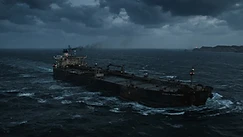
Diverging Transit Estimates Expose Fog of War Across Middle East Energy Routes
Conflicting transit claims from Washington and maritime tracking services underscore how information warfare has become central to energy price discovery.
Dual Blockade Dynamics and War Risk Premiums Paralyze Hormuz Commercial Vessel Throughput
Structural maritime paralysis grips the Persian Gulf as war-risk insurance premiums reaching eight percent combine with active minelaying to throttle baseline throughput.
Strait Risk Matrix Elevates as Daily AIS Transits Compress to Low Single Digits
Real-time maritime tracking indicates commercial vessel transits through the Strait of Hormuz have collapsed to historic lows, with only four active merchant hulls tracked along the primary corridor.