Tehran Shows No Urgency to Reopen Strategic Waterway
Despite ongoing discussions, Iranian leadership has signaled that there is no immediate pressure to normalize transit through the Strait of Hormuz.
Your ad here — 728×90 banner space
Recent statements from Tehran indicate that the Iranian government is in no hurry to reopen the Strait of Hormuz, even as diplomatic discussions regarding transit arrangements continue. This lack of urgency reflects a broader strategy of using the waterway as a primary lever in the ongoing confrontation with the United States. While mediators from Qatar and Oman have attempted to bridge the divide, the fundamental disagreements regarding security fees, naval blockades, and the status of frozen assets remain unresolved. Analysts suggest that Iran views the continued closure—or at least the threat of it—as a necessary component of its defensive and offensive strategy. The impact on global energy markets has been profound, with the disruption of this vital artery contributing to one of the largest oil shocks in recent history. Furthermore, the situation is exacerbated by regional tensions, including recent escalations in the West Bank, which have diverted diplomatic attention and resources. As the conflict enters its seventh month, the prospect of a swift resolution appears increasingly remote. Market participants should prepare for a prolonged period of volatility, as the 'Hormuz Fracture' continues to define the geopolitical and economic landscape of the Middle East.
Related Intel
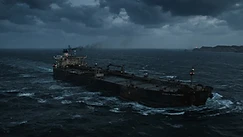
Diverging Transit Estimates Expose Fog of War Across Middle East Energy Routes
Conflicting transit claims from Washington and maritime tracking services underscore how information warfare has become central to energy price discovery.
Dual Blockade Dynamics and War Risk Premiums Paralyze Hormuz Commercial Vessel Throughput
Structural maritime paralysis grips the Persian Gulf as war-risk insurance premiums reaching eight percent combine with active minelaying to throttle baseline throughput.
Strait Risk Matrix Elevates as Daily AIS Transits Compress to Low Single Digits
Real-time maritime tracking indicates commercial vessel transits through the Strait of Hormuz have collapsed to historic lows, with only four active merchant hulls tracked along the primary corridor.