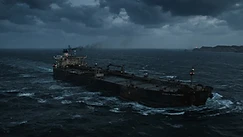
Strait of Hormuz Traffic Hits Weekend Low as Tensions Spike
Shipping data indicates fewer than 20 commodity vessels transited the Strait of Hormuz over the weekend, reflecting ongoing security concerns and the impact of the U.S. naval blockade.
Your ad here — 728×90 banner space
Maritime tracking data released on Monday confirms that fewer than 20 commodity-carrying vessels successfully navigated the Strait of Hormuz over the weekend. This significant reduction in traffic underscores the persistent volatility in the region as the U.S.-Iran conflict continues to disrupt one of the world's most critical energy chokepoints. The decline in transit volume follows reports of a recent attack on an oil tanker off the coast of Oman, which has further spooked commercial shipping operators and insurance providers. The U.S. Central Command continues to enforce a naval blockade on Iranian ports, a policy that has been in effect since the collapse of the ceasefire agreement in mid-July. According to recent military briefings, the blockade has resulted in the redirection of dozens of vessels, effectively isolating Iranian maritime trade. While Tehran has engaged in discussions with Oman regarding a new management model for the waterway, Iranian officials have maintained that the strait will not be fully reopened until the U.S. lifts its blockade and withdraws its forces from the region. The current impasse leaves global energy markets in a state of high alert, as the lack of a diplomatic breakthrough prevents a return to normal shipping operations. Analysts note that the combination of physical threats, such as naval mines and drone activity, and the legal uncertainty surrounding transit protocols, has created a 'chilling effect' on global trade. As the U.S. continues its 'Operation Economic Outcast' to further isolate the Iranian economy, the strategic importance of the Strait of Hormuz as a tool of deterrence for Tehran remains a central point of contention. With no immediate resolution in sight, shipping companies are increasingly looking toward alternative, albeit less efficient, routes to ensure the safety of their crews and cargo.