Strait of Hormuz Shipping Collapses as Tehran Rejects Ceasefire Extension
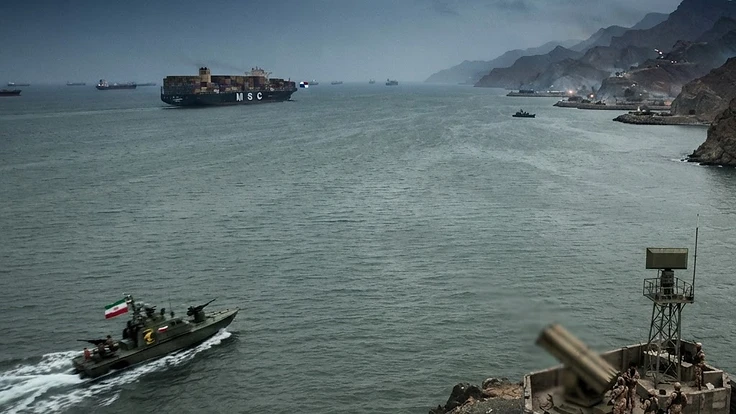
Shipping traffic through the Strait of Hormuz has plummeted to near-zero levels following President Trump's refusal to extend the Iran ceasefire and Tehran's subsequent shift to a fully offensive military posture.

Your ad here — 728×90 banner space
The Strait of Hormuz, the world's most critical maritime energy chokepoint, has effectively ground to a halt as the fragile ceasefire between the United States and Iran officially expired. Following President Donald Trump's rejection of a ceasefire extension, Iranian officials have declared a transition to a 'fully offensive' military posture. This escalation has resulted in a near-total collapse of commercial transit, with current throughput estimated at just 5% of pre-war baselines. The breakdown in diplomatic efforts follows weeks of erratic tanker movements, where vessels have been forced to perform U-turns or meander through dangerous waters to avoid potential seizure or projectile strikes. Recent data from Kpler and maritime monitors indicate that only a handful of vessels are attempting the transit, a stark contrast to the daily average of 110 ships seen before the conflict began on February 28. The U.S. military continues to maintain a blockade of Iranian ports, while Tehran insists that the waterway will remain closed until Washington meets specific conditions, including the release of frozen assets and an end to regional military operations. The resulting uncertainty has sent Brent crude prices hovering near $91 per barrel, as global markets grapple with the reality that 20% of the world's oil and 25% of global LNG trade remain at risk. With no formal negotiations currently scheduled, the prospect of a sustained, long-term closure of the strait is forcing energy importers in Asia and Europe to seek alternative, albeit more expensive, supply routes.