Shipping Insurance Costs Spike as Red Sea 'Shadow Fleet' Risks Multiply
Maritime insurance premiums for Red Sea transits have surged to nearly 1% of a vessel's value following the loss of the MV Tutor. The market is now grappling with the emergence of a two-tier shipping system where older, uninsured vessels take on higher risks.

Your ad here — 728×90 banner space
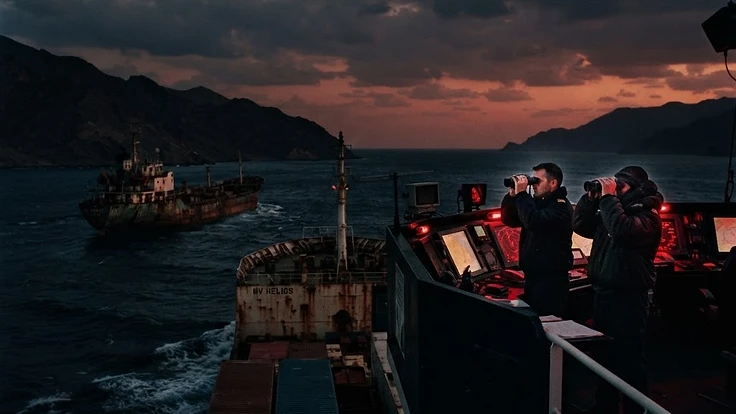
The maritime industry is facing a crisis of confidence as insurance costs for commercial vessels transiting the Bab el-Mandeb Strait and the Red Sea have reached unsustainable levels for many operators. Following the successful deployment of unmanned surface vessels (USVs) by Houthi forces, which resulted in the sinking of the MV Tutor, insurance underwriters have hiked 'war risk' premiums. Rates that were previously hovering around 0.6% of the vessel’s total value have now climbed toward 1.0%, effectively adding hundreds of thousands of dollars to the cost of a single voyage. This spike in costs is driving a significant shift in global trade patterns. Major shipping lines, including Maersk and Hapag-Lloyd, continue to divert the majority of their fleets around the Cape of Good Hope. While this adds 10 to 14 days to transit times, the predictability of the route is now viewed as preferable to the volatility of the Red Sea. However, for smaller operators and those carrying commodities to regional ports, the Cape route is not always economically viable. Market observers are also reporting a rise in the use of the so-called 'shadow fleet' for transits through high-risk zones. These are often older vessels with opaque ownership and limited insurance coverage. The presence of these vessels increases the risk of environmental disasters should a strike occur, as they lack the financial backing for large-scale salvage and cleanup operations. The International Chamber of Shipping (ICS) has expressed concern that the current environment is incentivizing unsafe practices that could have long-term repercussions for maritime safety. Additionally, the port of Jebel Ali in the UAE and other regional hubs are seeing increased congestion as schedules become erratic. Transshipment volumes are shifting, and the logistical strain is beginning to manifest in higher container rates for end consumers. As long as the Houthi capability to strike moving targets remains intact, the market expects these high premiums to persist, further decoupling the Red Sea from the standard global shipping network.
Related Intel


Treasury Expands Sanctions Net as Economic War Against Iran Intensifies
The U.S. Treasury has broadened its sanctions authority, targeting nearly sixty entities and shadow-fleet vessels in a bid to further isolate Iran's economy.
Treasury Prepares 'Toughest Sanctions in History' as Iran Stalemate Deepens
U.S. Treasury Secretary Scott Bessent is set to announce a sweeping new sanctions package targeting Iran's remaining oil exports and global trade partners.
Energy Markets Recalibrate as Powell Signals September Rate Cut
Oil prices found support as Federal Reserve Chair Jerome Powell confirmed a shift in monetary policy, weakening the dollar and boosting demand outlooks.