Global Shipping Giants Recalculate as Red Sea Risks Spill Over to Arabian Sea
Maritime insurance premiums remain volatile as Houthi threats expand and shipping routes are diverted around the Cape of Good Hope.

Your ad here — 728×90 banner space
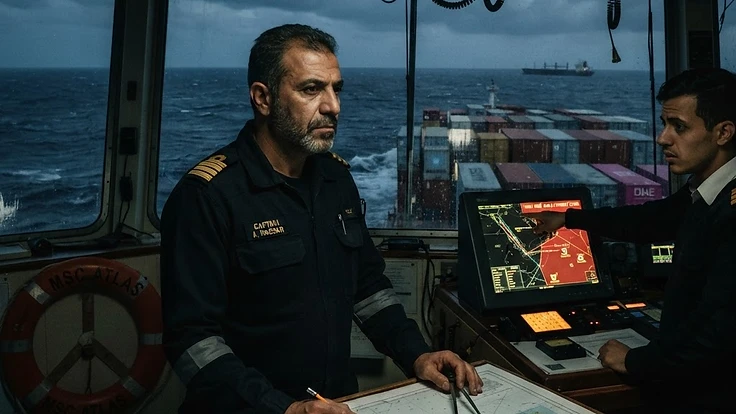
The maritime industry continues to face its most significant disruption in decades as the crisis in the Red Sea shows no signs of abating. In the last 24 hours, Maersk and Hapag-Lloyd have reiterated that their vessels will continue to avoid the Suez Canal and Red Sea transit routes for the foreseeable future, opting instead for the lengthy detour around the Cape of Good Hope. This shift is not merely a logistical headache; it is a fundamental restructuring of global trade routes that is now impacting the Persian Gulf and the Arabian Sea. Insurance underwriters at Lloyd’s of London report that 'War Risk' premiums for vessels transiting the Gulf of Aden remain near 1% of the ship's value. More importantly, there is a growing concern that the threat zone is expanding. The Houthis in Yemen have recently claimed they will target vessels in the Indian Ocean and even the Mediterranean, although their technical capability to hit moving targets at such ranges is viewed with skepticism by Western naval intelligence. However, the psychological impact on the shipping market is real. The diversion of tonnage away from the Red Sea has led to a shortage of available ships in the Persian Gulf for short-haul journeys. This has caused a spike in regional charter rates. For energy markets, this means the 'delivery cost' of a barrel of oil from the terminal at Ras Tanura or Jebel Ali to European ports has nearly doubled since the start of the year. Furthermore, the congestion at major transshipment hubs like Singapore and Algeciras is worsening. As ships take the longer route, their arrival schedules are disrupted, leading to 'bunching' at ports. The Hormuz Sentinel Desk observes that this is creating a bullwhip effect in global supply chains, affecting everything from automotive parts to retail goods. For the Strait of Hormuz, the primary concern is the potential for a 'copycat' effect; if Houthi tactics are seen as successful in closing the Bab el-Mandeb, the IRGC may feel emboldened to exert similar pressure on Hormuz to leverage concessions from the international community. The resilience of the shipping industry is being tested, and the costs are ultimately being passed down to the global consumer through higher freight rates and extended delivery times.
Related Intel


IEA Warns of Severe Buffer Depletion as 400-Million-Barrel Release Strains Capacity
Global strategic oil reserves are running dangerously low following emergency releases, leaving consumer nations highly vulnerable to renewed Hormuz disruptions.
Crude Volatility Constrained as Washington Downplays Conflict Scope Amid Mixed Transit Signals
Crude benchmarks traded in tight bands as official rhetoric softened conflict timelines despite conflicting physical throughput figures across the Strait of Hormuz.
Brent Climbs Above $97 as Regional Retaliatory Strikes Target Kuwaiti Facilities
Crude benchmarks pushed higher with Brent crossing $97 following Iranian projectile attacks across regional states, while market participants watch OPEC+ supply adjustments.