Regional Powers Caught in Crossfire of US-Iran Maritime Standoff
The ongoing maritime blockade is forcing regional neighbors to navigate a precarious diplomatic landscape as the U.S. and Iran remain locked in a high-stakes confrontation.
Your ad here — 728×90 banner space
The geopolitical landscape surrounding the Strait of Hormuz has become increasingly fraught as regional actors find themselves caught between the competing demands of Washington and Tehran. Recent reports indicate that the U.S. has adopted a more aggressive stance, with President Trump issuing warnings to regional partners regarding their involvement in the maritime dispute. This pressure has complicated the efforts of mediators who are attempting to facilitate a return to normalcy. The situation is further compounded by Iran's strategy of utilizing asymmetric threats to exert control over the waterway, effectively challenging the U.S. naval presence. For countries in the Persian Gulf, the priority remains the security of their energy exports and the prevention of a wider regional conflict. However, as the U.S.-Iran diplomatic deadlock persists, the room for maneuver for these nations is shrinking. The current environment suggests that the conflict is not merely a bilateral issue but a systemic challenge to regional stability that will require a more comprehensive diplomatic framework to resolve, if such a framework can be established in the current climate.
Related Intel
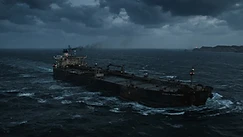
Diverging Transit Estimates Expose Fog of War Across Middle East Energy Routes
Conflicting transit claims from Washington and maritime tracking services underscore how information warfare has become central to energy price discovery.
Dual Blockade Dynamics and War Risk Premiums Paralyze Hormuz Commercial Vessel Throughput
Structural maritime paralysis grips the Persian Gulf as war-risk insurance premiums reaching eight percent combine with active minelaying to throttle baseline throughput.
Strait Risk Matrix Elevates as Daily AIS Transits Compress to Low Single Digits
Real-time maritime tracking indicates commercial vessel transits through the Strait of Hormuz have collapsed to historic lows, with only four active merchant hulls tracked along the primary corridor.