Tehran Transition: Pezeshkian Faces Immediate Geopolitical Test Following Supreme Leader Endorsement
As Masoud Pezeshkian receives official endorsement from Ayatollah Khamenei, the new president’s engagement agenda is immediately threatened by surging regional hostilities.
Your ad here — 728×90 banner space
In a carefully choreographed ceremony in Tehran, Masoud Pezeshkian was officially endorsed as the ninth president of the Islamic Republic of Iran by Supreme Leader Ayatollah Ali Khamenei on Sunday. The "Tanfiz" (endorsement) ceremony is the first formal step in the presidential transition following the snap election held after the death of Ebrahim Raisi. Pezeshkian, a heart surgeon and former health minister who ran on a platform of "constructive engagement" with the West and domestic reform, now inherits a nation on the precipice of a regional explosion.
During the ceremony, Khamenei reiterated the core pillars of Iranian foreign policy, emphasizing support for the "Axis of Resistance" and resistance against Western "arrogance." While Pezeshkian has expressed a desire to seek sanctions relief through renewed nuclear diplomacy, the timing of his ascent could not be more fraught. The deadly strike in the Golan Heights and the subsequent threat of an Israeli incursion into Lebanon have forced the new administration into a defensive posture before it has even formed a cabinet.
On Tuesday, July 30, Pezeshkian will take the oath of office before the Iranian Parliament (Majlis). The event is expected to be attended by high-ranking dignitaries from 88 countries, including regional leaders and representatives from the European Union. However, the atmosphere in Tehran remains tense; during recent parliamentary sessions, hardline lawmakers were heard chanting "Death to America" and "Death to Israel," signaling the domestic friction Pezeshkian will face as he attempts to pivot toward a more moderate diplomatic path.
Intelligence analysts suggest that Pezeshkian's first 100 days will be defined by his ability to manage the Revolutionary Guard (IRGC) and their proxy networks. If the Israel-Hezbollah conflict escalates, the IRGC may take the lead in regional strategy, effectively sidelining the new president's diplomatic initiatives. For now, Pezeshkian’s rhetoric remains carefully aligned with the Supreme Leader’s mandates, highlighting that while the face of the presidency has changed, the strategic depth of the Islamic Republic remains firmly rooted in its current geopolitical alignment.
Related Intel
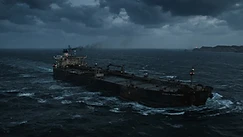
Diverging Transit Estimates Expose Fog of War Across Middle East Energy Routes
Conflicting transit claims from Washington and maritime tracking services underscore how information warfare has become central to energy price discovery.
Dual Blockade Dynamics and War Risk Premiums Paralyze Hormuz Commercial Vessel Throughput
Structural maritime paralysis grips the Persian Gulf as war-risk insurance premiums reaching eight percent combine with active minelaying to throttle baseline throughput.
Strait Risk Matrix Elevates as Daily AIS Transits Compress to Low Single Digits
Real-time maritime tracking indicates commercial vessel transits through the Strait of Hormuz have collapsed to historic lows, with only four active merchant hulls tracked along the primary corridor.