Omani Corridor Negotiations Falter Amid Sovereignty Disputes and Toll Demands
Efforts to operationalize a safe transit lane along the Omani coast remain stalled over Iranian access restrictions and revenue division.
Your ad here — 728×90 banner space
Contested Passages and Diplomatic Friction
Diplomatic efforts led by Muscat to secure an operational maritime corridor along the southern reaches of the Strait of Hormuz have run into steep political impasses, according to diplomatic reporting covered by Bloomberg and Al Jazeera.
While Iranian officials initially publicized tentative understandings regarding transit oversight and revenue allocations for ships moving through Omani territorial waters, international maritime bodies and Western capitals have pushed back firmly. The core disagreement centers on Tehran's demand to collect transit fees and exclude American and allied-flagged commercial vessels from the designated channel.
Iranian Deputy Foreign Minister Kazem Gharibabadi reiterated that navigation rights through any mutually monitored route remain contingent upon Washington meeting specific non-military conditions and ceasing blockade operations. Concurrently, international shipping federations have expressed unease over proposals that effectively replace established United Nations international passage rights with bilateral toll frameworks.
Strategic Deadlock at the Chokepoint
Regional mediators in Doha and Muscat had hoped that technical agreements on mine-clearing and vessel separation schemes would lower the ambient temperature in the waterway, per reports from Al Jazeera. However, ongoing combat operations between CENTCOM forces and coastal IRGC batteries have scuttled technical de-escalation timetables.
Until clear sovereign guarantees and demilitarized safe transit zones can be formally ratified, major global maritime carriers continue to treat the southern corridor as high-risk, choosing either expensive military convoy escorts or alternative routing arrangements around southern Africa.
Related Intel
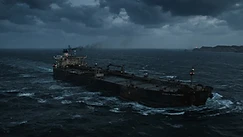
Diverging Transit Estimates Expose Fog of War Across Middle East Energy Routes
Conflicting transit claims from Washington and maritime tracking services underscore how information warfare has become central to energy price discovery.
Dual Blockade Dynamics and War Risk Premiums Paralyze Hormuz Commercial Vessel Throughput
Structural maritime paralysis grips the Persian Gulf as war-risk insurance premiums reaching eight percent combine with active minelaying to throttle baseline throughput.
Strait Risk Matrix Elevates as Daily AIS Transits Compress to Low Single Digits
Real-time maritime tracking indicates commercial vessel transits through the Strait of Hormuz have collapsed to historic lows, with only four active merchant hulls tracked along the primary corridor.