Oil Prices Climb as Iran Unveils Restrictive Strait Transit Draft
Crude oil prices rose on Thursday following the publication of an Iranian draft plan that imposes new, restrictive conditions on maritime traffic in the Strait of Hormuz.

Your ad here — 728×90 banner space
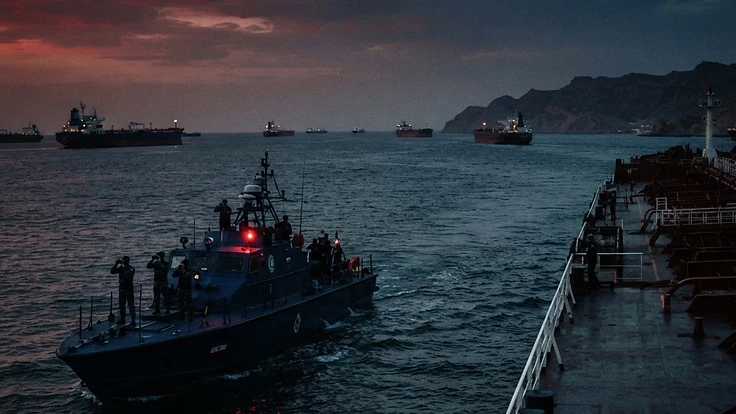
Global energy markets reacted sharply on Thursday after Iranian state media released a draft decree outlining restrictive transit conditions for vessels navigating the Strait of Hormuz. The announcement, which introduces complex regulatory hurdles for commercial shipping, has reignited concerns regarding the security of the world's most critical maritime chokepoint. Brent crude futures saw an uptick as traders assessed the potential for further supply chain bottlenecks. The proposed plan appears to formalize a 'selective sovereignty' approach, which analysts fear could be used to target vessels linked to the United States or its regional allies. This development comes at a time when shipping traffic through the Strait remains at a near-standstill, with many commercial operators opting to avoid the region entirely due to the ongoing conflict. The uncertainty surrounding the implementation of these new rules has added a fresh risk premium to oil prices, which have already been volatile throughout the summer. Industry experts note that even if the Strait remains technically open, the administrative burden and security risks posed by Tehran's new requirements could effectively deter most international shipping lines. As of Thursday, Brent crude was trading higher, reflecting the market's sensitivity to any news that threatens the flow of the approximately 20% of global oil supply that typically transits the waterway. The U.S. administration has yet to issue a formal response to the draft, but officials have previously emphasized that any attempt to restrict freedom of navigation would be met with significant pushback. For now, the energy sector remains in a state of high alert, with market participants closely monitoring whether these restrictive measures will be enforced or if they serve as a bargaining chip in the ongoing, albeit stalled, diplomatic negotiations between Tehran and Muscat.
Related Intel


Global Refiners Face Feedstock Deficits as Gulf Processing Capacity Halts
Nearly three million barrels per day of Gulf refining capacity remains offline amid attacks and transit blocks, triggering acute shortages in middle distillates and petrochemical feedstocks.
Brent Posts Steep Weekly Advance as Diesel Hits Record Highs on Refining Strain
Global energy benchmarks completed their sharpest weekly climb since mid-July, driven by maritime chokepoint disruption and severe middle-distillate inventory deficits.
Brent Rebounds Above Ninety Dollars as Secondary Financial Sanctions Target Global Clearing Banks
Crude benchmarks climbed with Brent crossing $90 per barrel as Washington unveiled plans for rolling secondary banking sanctions to isolate Iranian energy trade.