Oil Markets Rally as Iran Unveils Restrictive Strait Transit Draft
Global crude prices surged following the publication of an Iranian legislative draft that imposes new, restrictive conditions on maritime traffic through the Strait of Hormuz.

Your ad here — 728×90 banner space
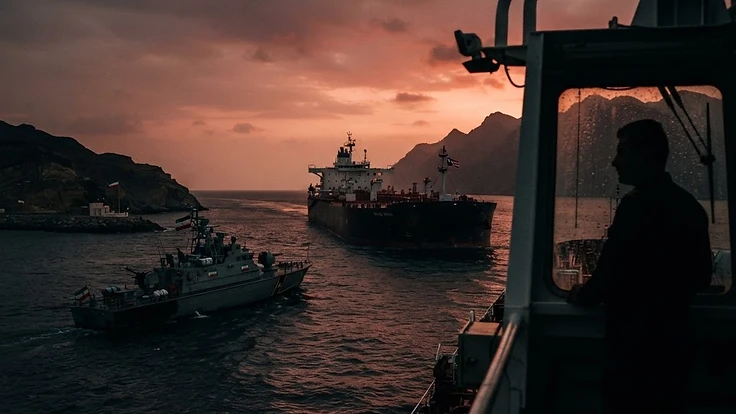
Global energy markets experienced a sharp uptick in volatility on Thursday as reports emerged that Iranian state media published a draft plan outlining restrictive conditions for commercial vessels transiting the Strait of Hormuz. The announcement has effectively dampened optimism that had been building earlier in the week regarding a potential diplomatic breakthrough between Washington and Tehran. Brent crude, the global benchmark, saw upward pressure as traders reassessed the security of the world's most critical maritime energy chokepoint. The draft, which details new regulatory hurdles for ships, comes at a time when the global economy remains highly sensitive to any disruption in the flow of oil and liquefied natural gas (LNG). Before the current conflict, the Strait of Hormuz facilitated the transit of approximately one-fifth of the world's daily oil supply. Analysts at major financial institutions noted that the move by Tehran signals a hardening of its negotiating position, potentially complicating the mediation efforts currently being led by Oman. While U.S. officials, including Secretary of State Marco Rubio, had previously expressed cautious optimism regarding a deal to normalize transit, the new legislative proposal suggests that Iran is seeking to formalize its control over the waterway rather than relinquish it. The market reaction reflects a broader anxiety that the 'fragile progress' reported by mediators may be insufficient to guarantee long-term freedom of navigation. As of Thursday, the uncertainty surrounding the implementation of these new transit rules has forced energy traders to build a 'geopolitical risk premium' back into oil futures. With the U.S. presidential administration warning that Iran will face severe consequences if the strait is not opened, the situation remains on a knife-edge. The coming days will be critical as international observers monitor whether the draft is merely a domestic political maneuver or a precursor to a more permanent, restrictive maritime regime that could keep energy prices elevated for the remainder of the year.
Related Intel


Global Refiners Face Feedstock Deficits as Gulf Processing Capacity Halts
Nearly three million barrels per day of Gulf refining capacity remains offline amid attacks and transit blocks, triggering acute shortages in middle distillates and petrochemical feedstocks.
Brent Posts Steep Weekly Advance as Diesel Hits Record Highs on Refining Strain
Global energy benchmarks completed their sharpest weekly climb since mid-July, driven by maritime chokepoint disruption and severe middle-distillate inventory deficits.
Brent Rebounds Above Ninety Dollars as Secondary Financial Sanctions Target Global Clearing Banks
Crude benchmarks climbed with Brent crossing $90 per barrel as Washington unveiled plans for rolling secondary banking sanctions to isolate Iranian energy trade.