The OIC Emergency Session and Iran's Diplomatic Counter-Offensive
Iran has requested an emergency meeting of the Organization of Islamic Cooperation (OIC) to galvanize Muslim nations against Israel, even as it prepares for military action.
Your ad here — 728×90 banner space
As military assets move into position, a parallel diplomatic battle is unfolding across Middle Eastern capitals. Iran has successfully lobbied for an emergency session of the Organization of Islamic Cooperation (OIC), scheduled for Wednesday in Jeddah, Saudi Arabia. The meeting, requested by Tehran following the assassination of Hamas political leader Ismail Haniyeh, is a crucial part of Iran's strategy to legitimize its promised retaliation. By framing the assassination as a violation of its national sovereignty and international law, Iran is attempting to secure a collective condemnation from the 57-member body. Acting Iranian Foreign Minister Ali Bagheri Kani has spent the last 48 hours in a flurry of diplomatic activity, speaking with counterparts in Jordan, Egypt, Algeria, and Pakistan. The goal is two-fold: first, to signal that Iran's response is a 'legal and necessary' act of self-defense; and second, to pressure Arab nations into remaining neutral or providing passive support during a confrontation. However, the diplomatic path is fraught with complexity. Regional heavyweights like Saudi Arabia and the United Arab Emirates are wary of a regional war that could jeopardize their economic diversification projects, such as Saudi Vision 2030. These nations have consistently called for a ceasefire in Gaza as the primary way to de-escalate the broader 'Axis of Resistance' activities. Analysts suggest that the timing of the OIC meeting—mid-week—may act as a temporary brake on Iranian military action, as Tehran would likely prefer to have the diplomatic cover of a unified OIC statement before launching its strikes. Yet, domestic pressure within Iran, particularly from the IRGC, remains high. The hardline elements in the Iranian establishment are demanding a 'crushing response' that restores the country's deterrence. The OIC session will serve as a litmus test for how much support Iran can actually muster in the Arab world, which remains deeply divided over Tehran's regional influence. While the final communiqué will likely condemn Israel’s actions, it is improbable that the OIC will endorse a military escalation. This leaves Tehran in a difficult position: balancing the need for a forceful military response with the reality of diplomatic isolation if that response triggers a catastrophic regional war.
Related Intel

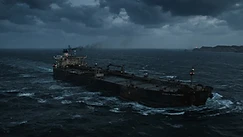
Diverging Transit Estimates Expose Fog of War Across Middle East Energy Routes
Conflicting transit claims from Washington and maritime tracking services underscore how information warfare has become central to energy price discovery.
Dual Blockade Dynamics and War Risk Premiums Paralyze Hormuz Commercial Vessel Throughput
Structural maritime paralysis grips the Persian Gulf as war-risk insurance premiums reaching eight percent combine with active minelaying to throttle baseline throughput.
Strait Risk Matrix Elevates as Daily AIS Transits Compress to Low Single Digits
Real-time maritime tracking indicates commercial vessel transits through the Strait of Hormuz have collapsed to historic lows, with only four active merchant hulls tracked along the primary corridor.