Strategic Impasse: Drone Downings and the Collapse of Regional De-escalation
The shootdown of a U.S. MQ-9 Reaper drone signals the end of the summer's diplomatic efforts and a return to high-intensity friction.
Your ad here — 728×90 banner space
The downing of a U.S. MQ-9 Reaper drone over the eastern Strait of Hormuz on Monday afternoon serves as a definitive marker for the collapse of recent diplomatic initiatives. Iranian state media (IRNA) confirmed that the IRGC Aerospace Force utilized a surface-to-air missile to intercept the 'hostile' aircraft, which the U.S. maintains was operating in international airspace. This incident, occurring less than 24 hours after the U.S. strikes on Larak Island, underscores the failure of the Oman-mediated talks that had sought to establish a formal revenue-sharing pact for Strait transit. The core of the impasse lies in Tehran's demand for a total lifting of the U.S. naval blockade in exchange for 'guaranteed passage,' a condition the White House has repeatedly rejected. Instead, the conflict has devolved into a war of attrition. The IRGC's recent declaration that the Strait is 'closed until further notice' may be largely psychological—given that some vessels continue to move—but it creates a legal and operational fog that deters major shipping lines. The strategic logic for Iran is clear: by maintaining a high level of friction, they keep oil prices elevated and force the U.S. to commit significant naval resources to a static defense posture. Conversely, the U.S. strategy of 'preemptive neutralization'—as seen in the Larak Island strike—aims to prevent Iran from achieving a total physical closure of the waterway. However, this 'tit-for-tat' cycle risks an accidental escalation that could draw in regional players. The IRGC's willingness to target U.S. bases in Jordan indicates that Tehran no longer views the conflict as confined to the maritime domain. As the war enters its sixth month, the 'relative calm' of July appears to have been a mere tactical pause rather than a shift toward peace. With the Iranian Rial plummeting to 210,050 per USD on the open market, domestic economic pressure on Tehran is mounting, which historically leads the leadership to seek external distractions through military adventurism. Without a new diplomatic framework, the Strait of Hormuz will remain the primary flashpoint for a global economic shock, as both Washington and Tehran remain locked in a strategic deadlock with no clear exit ramp.
Related Intel
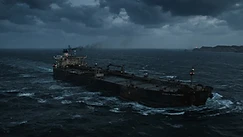
Diverging Transit Estimates Expose Fog of War Across Middle East Energy Routes
Conflicting transit claims from Washington and maritime tracking services underscore how information warfare has become central to energy price discovery.
Dual Blockade Dynamics and War Risk Premiums Paralyze Hormuz Commercial Vessel Throughput
Structural maritime paralysis grips the Persian Gulf as war-risk insurance premiums reaching eight percent combine with active minelaying to throttle baseline throughput.
Strait Risk Matrix Elevates as Daily AIS Transits Compress to Low Single Digits
Real-time maritime tracking indicates commercial vessel transits through the Strait of Hormuz have collapsed to historic lows, with only four active merchant hulls tracked along the primary corridor.