Kharg Island Standoff: US Naval Blockade Squeezes Iranian Crude to Multi-Year Lows
Satellite data and maritime tracking confirm that Iranian oil exports have plummeted as the U.S. naval blockade of Kharg Island enters a critical phase.

Your ad here — 728×90 banner space
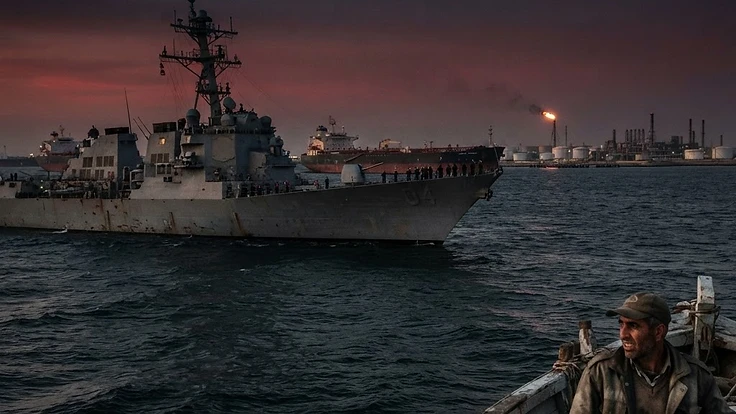
The U.S. naval blockade of Iranian energy infrastructure has reached a new level of effectiveness, according to the latest maritime tracking data. At Kharg Island, Iran's primary oil export terminal, only 16 vessels were recorded as anchored or loading this week—the lowest number since the broader conflict intensified earlier this year. This represents a significant decline from the first half of July, when Iranian exports briefly surged during a period of relative calm. Richard Bronze, head of geopolitics at Energy Aspects, noted that the blockade is 'effective in the sense that there isn't much tanker traffic going in or out.' However, he cautioned that the resulting revenue loss may not immediately force Tehran into concessions, as the Iranian leadership appears willing to absorb substantial economic pain to maintain its leverage over the Strait of Hormuz. The blockade was reimposed in mid-July following the collapse of an interim deal mediated by Pakistan. Since then, the U.S. military has maintained a persistent presence near Iranian ports, leading to a near-total halt in official tanker transits from major terminals. Despite the blockade, some Iranian crude continues to reach international markets. Data from Vortexa suggests that approximately 10.7 million barrels of Iranian crude managed to cross the Strait of Hormuz recently, likely through the use of 'ghost tankers' and ship-to-ship transfers that bypass traditional monitoring. Nevertheless, the overall volume of exports has plunged by an estimated 90% compared to pre-blockade levels. This supply crunch is contributing to a tightening global market, even as demand concerns in China provide a partial offset. The U.S. Energy Information Administration (EIA) has reported unexpected drawdowns in commercial stocks, further exacerbating the supply-side pressure. As long as Kharg Island remains under naval duress, the global energy market will continue to price in a significant risk premium, with Brent benchmarks holding firm above $80 per barrel. The situation remains fluid, with the potential for Iranian forces to attempt a breakout or for the U.S. to expand the blockade to include secondary ports along the Gulf of Oman.
Related Intel


Global Refiners Face Feedstock Deficits as Gulf Processing Capacity Halts
Nearly three million barrels per day of Gulf refining capacity remains offline amid attacks and transit blocks, triggering acute shortages in middle distillates and petrochemical feedstocks.
Brent Posts Steep Weekly Advance as Diesel Hits Record Highs on Refining Strain
Global energy benchmarks completed their sharpest weekly climb since mid-July, driven by maritime chokepoint disruption and severe middle-distillate inventory deficits.
Brent Rebounds Above Ninety Dollars as Secondary Financial Sanctions Target Global Clearing Banks
Crude benchmarks climbed with Brent crossing $90 per barrel as Washington unveiled plans for rolling secondary banking sanctions to isolate Iranian energy trade.