Executive Transition: Khamenei Formally Endorses Pezeshkian Amid Regional Crisis
Supreme Leader Ayatollah Ali Khamenei has officially endorsed Masoud Pezeshkian as Iran's new president, emphasizing continuity in foreign policy.
Your ad here — 728×90 banner space
In a formal ceremony held in Tehran on Sunday, Supreme Leader Ayatollah Ali Khamenei officially endorsed Masoud Pezeshkian as the ninth president of the Islamic Republic of Iran. The 'Tanfiz' ceremony marks the legal transition of power following the sudden death of President Ebrahim Raisi in a helicopter crash in May. During his address, Khamenei outlined the priorities for the incoming administration, emphasizing economic self-sufficiency and a 'dignified' foreign policy that prioritizes regional neighbors and resistance against Western pressure. Pezeshkian, a former heart surgeon who campaigned on a platform of moderate social reform and engagement with the West to lift sanctions, now faces the immediate challenge of a regional war cabinet in Israel preparing for strikes against Tehran's allies. The new president is expected to be sworn in before parliament on Tuesday, July 30. Observers note that while Pezeshkian may seek a more pragmatic approach to the Joint Comprehensive Plan of Action (JCPOA), ultimate authority over nuclear and regional security matters remains with the Supreme Leader and the Islamic Revolutionary Guard Corps (IRGC). The timing of the inauguration is particularly sensitive, as Pezeshkian will be forced to navigate the domestic expectation of economic relief alongside the ideological requirement to support the 'Axis of Resistance' during a period of peak tension with Israel. International diplomats will be watching Pezeshkian's cabinet appointments, particularly the Foreign Minister, for signals of how the new administration intends to handle back-channel communications with Washington.
Related Intel
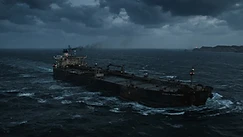
Diverging Transit Estimates Expose Fog of War Across Middle East Energy Routes
Conflicting transit claims from Washington and maritime tracking services underscore how information warfare has become central to energy price discovery.
Dual Blockade Dynamics and War Risk Premiums Paralyze Hormuz Commercial Vessel Throughput
Structural maritime paralysis grips the Persian Gulf as war-risk insurance premiums reaching eight percent combine with active minelaying to throttle baseline throughput.
Strait Risk Matrix Elevates as Daily AIS Transits Compress to Low Single Digits
Real-time maritime tracking indicates commercial vessel transits through the Strait of Hormuz have collapsed to historic lows, with only four active merchant hulls tracked along the primary corridor.