Iranian Military Adviser Signals Prolonged Conflict Strategy
A top adviser to the IRGC commander suggests that Iran is prepared to maintain its current posture against the U.S. until the end of the current U.S. administration.
Your ad here — 728×90 banner space
A senior military adviser to the commander of Iran’s Islamic Revolutionary Guard Corps (IRGC) has indicated that Tehran may be adopting a strategy of attrition in its ongoing conflict with the United States. According to recent reports, the adviser suggested that Iran is prepared to prolong the current standoff until the end of President Trump’s term in office. This strategic signaling suggests that Tehran is not currently prioritizing a short-term diplomatic resolution, but rather focusing on maintaining its leverage through the control of the Strait of Hormuz. The U.S. has responded by maintaining a robust naval presence, though the effectiveness of this posture in reopening the strait remains a subject of intense debate. The conflict, which has seen a series of naval engagements and economic sanctions, has fundamentally altered the security architecture of the Persian Gulf. By holding the Strait of Hormuz as a bargaining chip, Iran is attempting to force the U.S. to address its demands for reparations and the lifting of sanctions. However, this approach carries significant risks, including the potential for further military escalation and increased international isolation. The U.S. administration, for its part, has shown little willingness to concede to Iranian demands, setting the stage for a protracted period of tension. Observers are now looking for signs of whether this 'prolonged conflict' strategy will lead to a shift in regional alliances or further economic strain on the Iranian state.
Related Intel

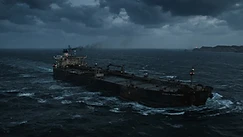
Diverging Transit Estimates Expose Fog of War Across Middle East Energy Routes
Conflicting transit claims from Washington and maritime tracking services underscore how information warfare has become central to energy price discovery.
Dual Blockade Dynamics and War Risk Premiums Paralyze Hormuz Commercial Vessel Throughput
Structural maritime paralysis grips the Persian Gulf as war-risk insurance premiums reaching eight percent combine with active minelaying to throttle baseline throughput.
Strait Risk Matrix Elevates as Daily AIS Transits Compress to Low Single Digits
Real-time maritime tracking indicates commercial vessel transits through the Strait of Hormuz have collapsed to historic lows, with only four active merchant hulls tracked along the primary corridor.