Houthi Missile Strike Hits MV Groton in Gulf of Aden, Renewing Maritime Risks
The Liberian-flagged container ship MV Groton was targeted by Houthi forces, ending a brief lull in maritime attacks and signaling a renewed threat to commercial shipping.
Your ad here — 728×90 banner space
The maritime security environment in the Red Sea and Gulf of Aden has deteriorated further following a missile strike on the MV Groton, a Liberian-flagged container ship. The vessel was targeted on Saturday while transiting approximately 125 nautical miles east of Aden. According to the United Kingdom Maritime Trade Operations (UKMTO) and private security firms, the ship sustained damage from a missile impact, though no fire or casualties were reported, and the vessel was able to continue its journey to its next port of call. This incident marks the first successful Houthi strike on a commercial vessel in several weeks, ending what some had hoped was a period of waning capability. Houthi military spokesperson Yahya Sarea claimed responsibility, stating the ship was targeted because the company owning it violated the group's 'ban' on entering ports in occupied Palestine. The strike on the MV Groton is a tactical reminder that the Houthis retain significant anti-ship ballistic and cruise missile capabilities despite months of U.S.-led 'Operation Prosperity Guardian' airstrikes. Analysis of the strike suggests the Houthis are utilizing improved targeting data, possibly sourced from Iranian intelligence vessels operating in the region. For shipping companies, this incident reinforces the necessity of costly detours around the Cape of Good Hope. Insurance premiums for vessels transiting the Bab el-Mandeb remain at prohibitive levels, and many major carriers have officially suspended Red Sea routes indefinitely. The attack also coincides with a period of heightened regional tension, suggesting the Houthis are synchronizing their activity with the broader 'Axis of Resistance' strategy to pressure Israel and the U.S. maritime presence. The strategic impact of these attacks extends beyond shipping costs; it forces a continuous commitment of Western naval resources that might otherwise be deployed to counter threats closer to the Strait of Hormuz. As the U.S. realigns its carrier strike groups, the ability to protect a sprawling commercial fleet across the entire Arabian Peninsula remains a significant operational challenge.
Related Intel
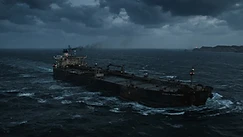
Diverging Transit Estimates Expose Fog of War Across Middle East Energy Routes
Conflicting transit claims from Washington and maritime tracking services underscore how information warfare has become central to energy price discovery.
Dual Blockade Dynamics and War Risk Premiums Paralyze Hormuz Commercial Vessel Throughput
Structural maritime paralysis grips the Persian Gulf as war-risk insurance premiums reaching eight percent combine with active minelaying to throttle baseline throughput.
Strait Risk Matrix Elevates as Daily AIS Transits Compress to Low Single Digits
Real-time maritime tracking indicates commercial vessel transits through the Strait of Hormuz have collapsed to historic lows, with only four active merchant hulls tracked along the primary corridor.