Houthi Maritime Strike: MV Tutor Sustains Severe Damage in Red Sea
A Greek-owned bulk carrier was struck by a Houthi sea drone in the Red Sea, causing significant flooding and forcing the crew to abandon the engine room.

Your ad here — 728×90 banner space
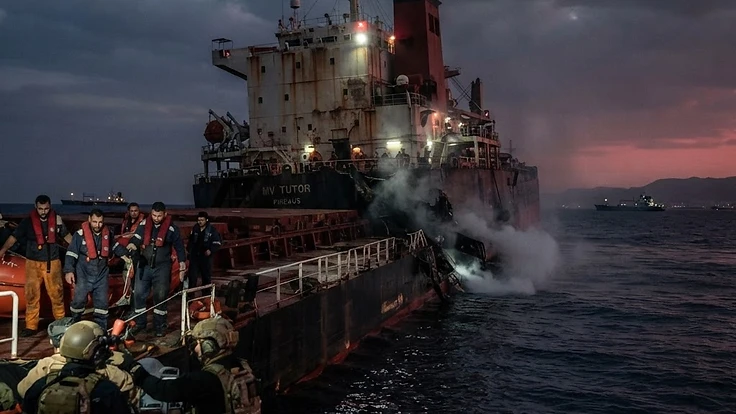
In a major escalation of maritime hostilities, the MV Tutor, a Greek-owned and Liberian-flagged bulk carrier, was targeted and struck by a Houthi unmanned surface vessel (USV) while transiting the Red Sea on Wednesday. According to reports from the United Kingdom Maritime Trade Operations (UKMTO) and U.S. Central Command (CENTCOM), the vessel was hit approximately 66 nautical miles southwest of Hodeidah, Yemen. The impact caused severe flooding in the engine room and damaged the hull, leaving the vessel taking on water and unable to maneuver. This incident marks a tactical shift for the Houthi rebels, who have increasingly utilized explosive-laden 'drone boats' to bypass traditional maritime defenses. CENTCOM confirmed that the USV struck the stern of the vessel, and a second 'unidentified projectile' was also reported to have hit the ship shortly after. The crew reported that the vessel is not under command and that they are struggling to contain the intake of water. This attack follows a brief lull in high-impact strikes and underscores the persistent threat to the Bab el-Mandeb Strait, a vital chokepoint for global trade and energy transit. The Houthis, who claim to be acting in solidarity with Palestinians in Gaza, have targeted dozens of vessels since November. However, the MV Tutor strike is one of the most damaging in recent weeks. Military analysts suggest that the use of a USV indicates a sophisticated level of reconnaissance, as these low-profile surface drones are harder to detect on radar compared to anti-ship ballistic missiles. The U.S. Navy has increased its presence in the region, but the sheer volume of commercial traffic makes total protection impossible. The shipping industry is reacting with renewed alarm. Global insurance premiums for Red Sea transits have already surged by over 500% since the conflict began, and this latest successful strike is expected to drive them higher. Many shipping giants, including Maersk and Hapag-Lloyd, continue to divert vessels around the Cape of Good Hope, adding 10-14 days to transit times and significantly increasing fuel costs and carbon emissions. As the MV Tutor remains adrift and listing, the risk of an environmental hazard also looms, depending on the cargo and fuel stability. The international community continues to call for an immediate cessation of these attacks, yet Tehran-backed Houthi leadership shows no signs of backing down until their geopolitical demands are met.