Houthi Attacks Intensify: US CENTCOM Reports Destruction of Multiple Assets
US Central Command has confirmed the destruction of Houthi maritime and aerial assets following a surge in attempted strikes on commercial vessels in the Red Sea.

Your ad here — 728×90 banner space
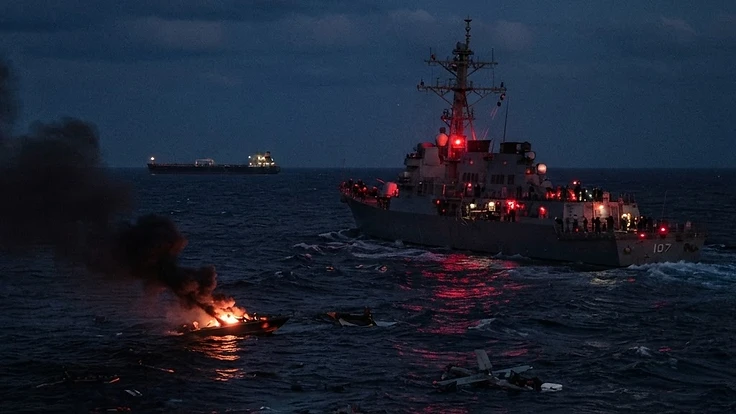
The maritime security situation in the Red Sea and Gulf of Aden has deteriorated further over the last 48 hours. U.S. Central Command (CENTCOM) released a statement confirming that its forces successfully destroyed three Houthi uncrewed surface vessels (USVs) and two uncrewed aerial vehicles (UAVs) in the Red Sea. These assets were identified as presenting an imminent threat to U.S. and coalition forces, as well as merchant vessels in the region. The escalation follows a series of sophisticated attacks launched by the Houthi movement, which claims to be acting in solidarity with Palestinians in Gaza. On Monday, the Liberia-flagged oil tanker 'Chios Lion' was targeted by a Houthi USV approximately 97 nautical miles northwest of Al Hudaydah. While the vessel sustained minor damage, no casualties were reported, and the ship continued its transit. A second vessel, the Panama-flagged 'Bentley I', was also targeted by multiple UAVs and USVs but escaped without significant damage. These incidents underscore the persistent threat to the 'Energy Bridge' connecting the Indian Ocean to the Mediterranean. Shipping insurance premiums for vessels transiting the Bab-el-Mandeb Strait have spiked by an estimated 10-15% since the beginning of July, according to industry sources in London. The 'Hormuz Sentinel' has observed a notable increase in the number of tankers opting for the longer, more expensive route around the Cape of Good Hope, a trend that is contributing to higher freight rates globally. Tactical intelligence suggests that the Houthis are increasingly utilizing Iranian-made reconnaissance equipment to track vessels that have disabled their Automated Identification Systems (AIS). The U.S.-led 'Operation Prosperity Guardian' continues to maintain a defensive posture, but the frequency of these engagements suggests that the Houthi capability to disrupt shipping remains largely intact despite months of coalition airstrikes on launch sites within Yemen. The risk of miscalculation remains high, particularly as the Houthis experiment with more autonomous maritime strike platforms.