Diplomatic Deadlock: The Strategic Cost of the Hormuz Standoff
A strategic assessment of the current U.S.-Iran impasse reveals a deepening divide that threatens to redefine regional security architecture.
Your ad here — 728×90 banner space
The current standoff in the Strait of Hormuz is more than a maritime dispute; it is a fundamental clash of strategic interests that has effectively paralyzed regional diplomacy. Tehran’s insistence on asserting control over the waterway, coupled with the U.S. commitment to maintaining a naval blockade, has created a zero-sum environment where compromise appears increasingly elusive. The strategic cost of this prolonged instability is significant, impacting not only global energy prices but also the long-term security architecture of the Middle East. By challenging the status quo of free and unfettered passage, Iran is testing the limits of U.S. regional influence. Conversely, the U.S. response—relying on naval blockades and maximum pressure—has yet to yield the desired diplomatic concessions. This impasse has forced regional actors to navigate a precarious path, balancing their economic dependence on oil exports with the need to avoid being caught in the crossfire of a potential military escalation. The interlinkage of the conflict with other regional flashpoints, such as the situation in the Red Sea and the broader U.S.-Iran rivalry, further complicates efforts to de-escalate. As both nations continue to trade reparation demands and engage in rhetorical posturing, the window for a negotiated settlement is narrowing. The long-term implications of this standoff could include a permanent shift in how global powers approach maritime chokepoints, with increased emphasis on security and redundancy. For now, the region remains in a state of high tension, with the risk of miscalculation remaining a constant threat to stability.
Related Intel
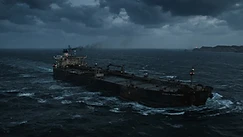
Diverging Transit Estimates Expose Fog of War Across Middle East Energy Routes
Conflicting transit claims from Washington and maritime tracking services underscore how information warfare has become central to energy price discovery.
Dual Blockade Dynamics and War Risk Premiums Paralyze Hormuz Commercial Vessel Throughput
Structural maritime paralysis grips the Persian Gulf as war-risk insurance premiums reaching eight percent combine with active minelaying to throttle baseline throughput.
Strait Risk Matrix Elevates as Daily AIS Transits Compress to Low Single Digits
Real-time maritime tracking indicates commercial vessel transits through the Strait of Hormuz have collapsed to historic lows, with only four active merchant hulls tracked along the primary corridor.