Diplomatic Deadlock Deepens as Regional Tensions Reach New Highs
With diplomatic channels frozen and military exchanges intensifying, the prospect for a near-term resolution to the US-Iran conflict appears increasingly remote.
Your ad here — 728×90 banner space
The diplomatic landscape surrounding the US-Iran conflict has entered a period of profound stagnation, with both sides rejecting recent proposals for de-escalation. The collapse of the ceasefire, coupled with the intensification of military strikes, has effectively shuttered the avenues for dialogue that were previously open. Analysts at the Hormuz Sentinel Desk observe that the current environment is characterized by a 'tit-for-tat' cycle of violence that leaves little room for traditional diplomacy. The rejection of recent proposals by both Washington and Tehran suggests that both parties are currently prioritizing military leverage over negotiated settlements. This hardening of positions is further complicated by the involvement of regional actors and the direct impact on global energy markets. The failure of diplomatic outreach is not merely a symptom of the current crisis but a reflection of the deep-seated mistrust that has defined the relationship for decades. As military operations expand to include industrial and nuclear sites, the threshold for what constitutes a 'red line' has shifted, increasing the risk of unintended escalation. The international community, which has historically played a role in mediating these disputes, appears sidelined as the conflict takes on a more direct and kinetic character. Looking ahead, the absence of a diplomatic framework means that the region will likely remain in a state of high alert, with the potential for further disruptions to shipping and energy supplies. The focus for the coming weeks will be on whether any third-party intermediaries can successfully re-engage the parties, or if the current trajectory of escalation will continue unabated. For now, the diplomatic silence is as loud as the military activity, signaling a dangerous phase in the ongoing confrontation.
Related Intel
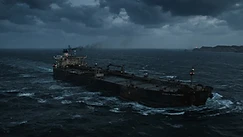
Diplomatic Stagnation Leaves Strait Access in Limbo
Diplomatic efforts to manage the Strait of Hormuz have stalled, with no Security Council action scheduled as regional tensions remain at a breaking point.
Diplomatic Channels Stagnate Amid Regional Tensions
Diplomatic efforts to resolve the Strait of Hormuz crisis have stalled, with regional summits postponed and hardline stances prevailing.
US Stealth Operations Reported Amid Hormuz Transit Crisis
Reports indicate the US military is utilizing covert operations to facilitate oil transit through the Strait of Hormuz, bypassing the official blockade imposed by Iranian forces.