Diplomatic Channels Stagnate as U.S.-Iran Peace Window Closes
The expiration of the 60-day negotiating period without an extension marks a significant setback for regional stability.
Your ad here — 728×90 banner space
The formal 60-day window for U.S.-Iran peace negotiations has closed without a breakthrough, leaving the two nations as far apart as they were at the start of the conflict. The failure to extend these talks reflects the deep-seated mistrust and the hardening of positions on both sides. Washington continues to demand the full reopening of the Strait of Hormuz and a cessation of Iranian regional activities, while Tehran insists on the lifting of sanctions and the recognition of its regional security interests. The role of regional intermediaries, such as Oman, has been complicated by U.S. threats against any nation perceived to be facilitating a deal that does not align with American objectives. This diplomatic deadlock has effectively removed the immediate prospect of a negotiated settlement, shifting the focus back to economic pressure and military posturing. As the conflict enters this new, more entrenched phase, the risk of miscalculation increases. Without a formal channel for communication, the potential for a localized incident to spiral into a broader regional confrontation remains a primary concern for global observers. The lack of a clear path forward suggests that the current state of 'managed conflict' may persist for the foreseeable future.
Related Intel
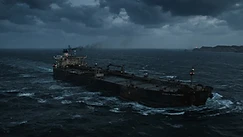
Regional De-escalation Efforts Intensify as Islamabad Joins Tehran Talks
Pakistan's military leadership has engaged in high-level discussions in Iran to prevent the current conflict from spiraling into a broader regional war.
U.S. Diplomatic Presence Returns to Middle East Amid Easing Rhetoric
The U.S. has begun returning personnel to diplomatic missions in the Middle East, a move interpreted by analysts as a signal that Washington is prioritizing de-escalation over military expansion.
Diplomatic Deadlock Persists as U.S.-Iran Talks Remain Stalled
With the 60-day negotiating window closed and no extension in sight, the U.S. and Iran remain entrenched in their respective positions, leaving the region in a state of high-stakes uncertainty.